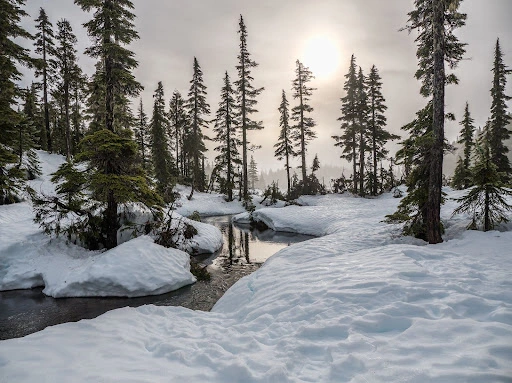
There’s something magical about the winter backcountry. The world goes quiet under a blanket of snow, the air is crisp enough to sharpen every breath, and those familiar summer trails transform into something entirely new. But that same snow that makes everything beautiful can also hide serious hazards. For hikers, snowshoers, and winter campers, avalanche danger isn’t just a skier’s problem-it’s something we all need to respect.
Many of the routes we love in warmer months cross potential avalanche paths when they’re buried under deep snow. A gentle meadow in July can become a runout zone in January. The good news is that most avalanches are avoidable. With a little knowledge and conservative decision-making, you can dramatically reduce your risk. This guide is all about giving you the basics: how to check conditions before you go, spot warning signs in the field, and choose terrain that keeps you safer.
Table of Contents
Why Avalanche Awareness Matters for Non-Skiers
It’s easy to think avalanches only happen to backcountry skiers chasing steep lines. The reality is different. Snowshoers and winter hikers trigger slides too, sometimes just by walking across a slope or camping in the wrong spot. Your weight, even distributed on snowshoes, can collapse a weak layer in the snowpack. And many winter camping sites sit in valleys or benches that are perfect avalanche runouts.
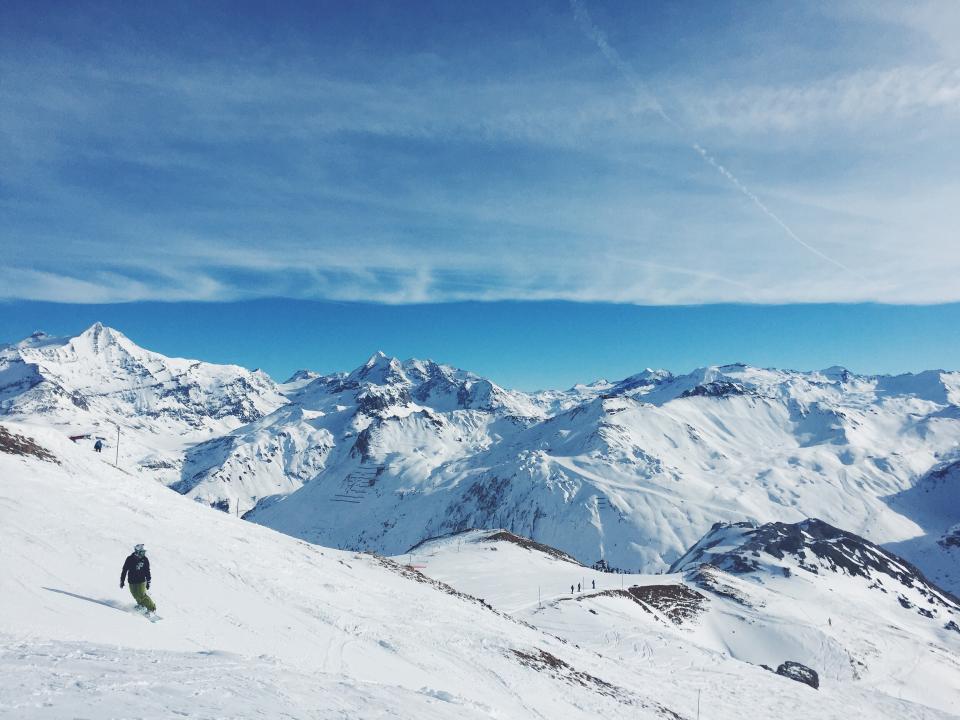
Every year in the U.S., dozens of people die in avalanches, and a surprising number of those incidents involve people simply traveling through snowy terrain. The vast majority of these slides are triggered by the victims or their group. That means the best defense is awareness and avoidance.
Start with the Forecast: Your Best Tool Before You Leave
The single most important step happens before you even leave the trailhead: check the avalanche forecast.
Go to avalanche.org, which links directly to your local forecast center, places like the Colorado Avalanche Information Center (CAIC), Utah Avalanche Center, or Northwest Avalanche Center (NWAC). Many centers also have mobile apps that make checking conditions quick and easy.
Here’s what to focus on in the report:
The overall danger rating: Low, Moderate, Considerable, High, or Extreme. When it hits Considerable or above, seriously reconsider any plan that involves slopes steeper than flat ground.
The danger rose: This shows how risk changes with elevation and slope aspect (north-facing, east-facing, etc.).
Specific avalanche problems: Terms like “wind slab,” “storm slab,” or “persistent weak layer” tell you exactly what kind of instability is present and where it’s most likely.
Make it a habit to check the forecast the night before and again the morning of your trip. Snow conditions can change rapidly with new snowfall, wind, or rising temperatures. If the report looks dicey, switch to a lower-angle objective or stick to dense forest trails where slides rarely run.
Red Flags in the Snow: What to Watch For
Once you’re out on the trail, keep your senses sharp. Unstable snow often gives clear warning signs. Any one of these should be enough to make you turn around or reroute.
Recent avalanches are the most obvious clue. Look for fresh debris piles at the bottom of slopes, chunky blocks of snow, or a distinct crown line where the slab broke away higher up. If you see evidence of sliding on terrain similar to where you’re headed, that’s a major red flag.
Cracking in the snow surface is another telltale sign. When you step onto a slope and see fractures shooting out from your feet or snowshoes, the slab is pulling apart under your weight.
That hollow “whoomp” or collapsing sound, often described as a deep thud-is one of the scariest and most reliable indicators. It means an entire weak layer is failing beneath you.
Rapid changes in loading also spell trouble. Heavy snowfall (more than an inch per hour), strong winds that build cornices or drift snow onto leeward slopes, or rain that soaks the pack can all tip the balance quickly.
Finally, you’ll want to watch for wind-loaded features, or smooth, rounded pillows of drifted snow that feel stiff and hollow underfoot. These are classic slabs waiting for a trigger.
Choosing Safer Terrain: Stick to Low-Risk Routes
Not all winter terrain carries the same risk. Avalanches most commonly release on slopes between 30 and 45 degrees-steeper than it often feels when everything is white and featureless.
To stay safer as a hiker or camper, look for:
- Broad ridges and gentle rolls under 30 degrees
- Areas with dense trees that anchor the snow
- Valley bottoms well away from potential runouts
Avoid open bowls, gullies, or any slope that has steeper terrain above it. Steer clear of cornices overhead and terrain traps like creeks, cliffs, or thick brush below that could make even a small slide more dangerous.
Tools like onX Backcountry or Gaia GPS have slope-angle shading layers that help you plan routes in advance. A simple phone clinometer app can confirm angles in the field.
When traveling as a group, cross any potential avalanche path one person at a time, keeping plenty of space between everyone. That way, if something releases, only one person is exposed.
Final Thoughts
Winter in the mountains is worth every cold fingertip and frosty beard. But it demands respect. A stable snowpack feels solid and reassuring underfoot. An unstable one gives warnings if you know where to look.
Start small and conservative. Consider taking an avalanche awareness lecture or course; the hands-on practice is invaluable. Even if you stick to low-angle terrain, carrying a beacon, probe, and shovel-and knowing how to use them-adds a crucial safety margin.
The snow will still be there next weekend. Make good decisions out there, and you’ll keep coming back for more of that quiet, sparkling magic that only winter delivers.