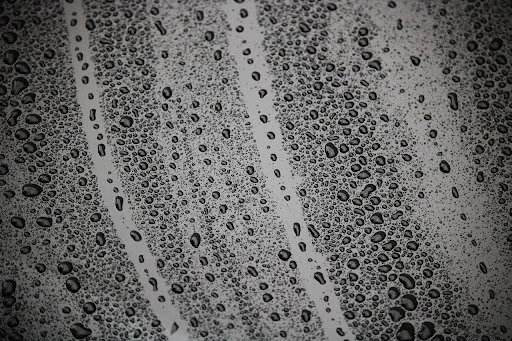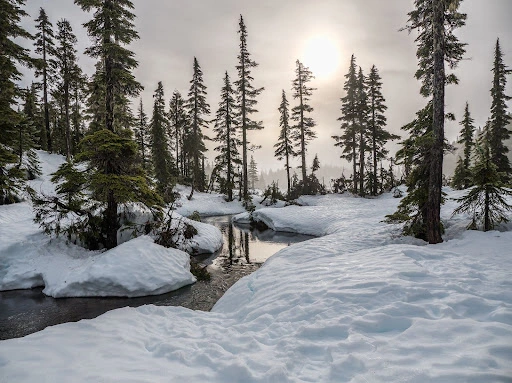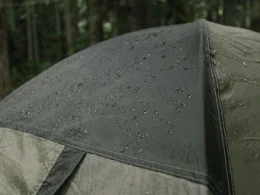
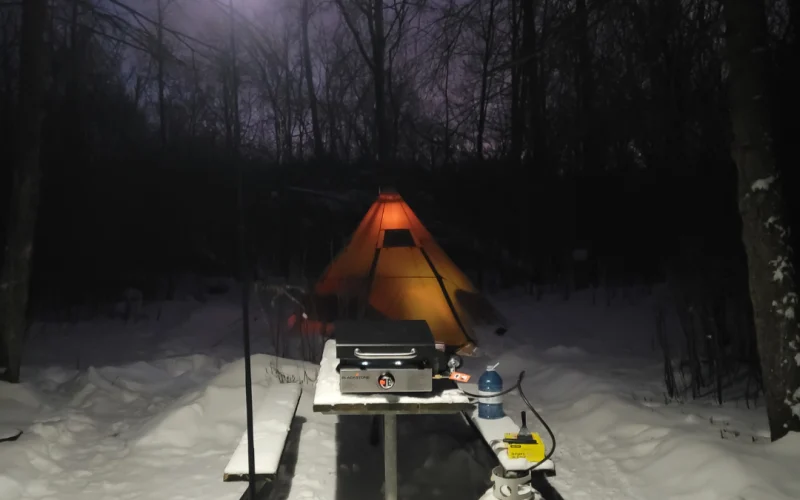
Ask most outdoor enthusiasts which they’d rather face in the wild, a snowstorm or a cold downpour, and lots will choose snow without a second thought. Snow looks more serious, more dramatic, more downright terrifying. Rain on the other hand seems almost… manageable. Even familiar. But from a survival and safety point of view, that assumption can be downright deadly.
Lots of cold-weather emergencies don’t happen when the blizzard of the century is raging. They happen when the temperature is just above freezing – when rain is pouring down, wind is cutting through your layers & people are underestimating how fast they’re losing heat. Rescue teams and wilderness medics know this pattern all too well: it’s not snow that’s doing the damage, it’s cold rain that’s the trigger for most hypothermia cases.
Knowing why cold rain is so deadly, and how to prepare for it, can be the difference between a mildly uncomfortable hike and a potentially life-threatening situation.
Table of Contents
Why Cold Rain Accelerates Body Heat Loss
If you want to understand what makes rain so much more hazardous than snow, you need to know how the body loses heat in cold conditions. It’s not just about temperature; it’s about moisture, wind & exposure.
There’s a well-known outdoor rule of thumb: wet cold kills. Water takes the heat from your body way faster than air does. This happens through conduction, convection and evaporation, all of which get amplified when you’re soaked to the skin.
Conduction is when you lose heat to something colder. Water is about 25 times more efficient at this than air. When rain soaks your clothes, your body is losing heat non-stop even if the air temperature is above freezing.
Convection adds to the problem. Wind-driven rain constantly sweeps away the thin layer of warm air your body creates, making heat loss go into overdrive. A pretty chilly day with wind can chill you faster than a still, cold day below freezing.
And then there’s evaporation, probably the most underestimated factor of all. As rainwater evaporates off your clothes and skin, it whisks away heat with it. This evaporative cooling can rapidly drop your core body temperature, even if you’re still moving around.
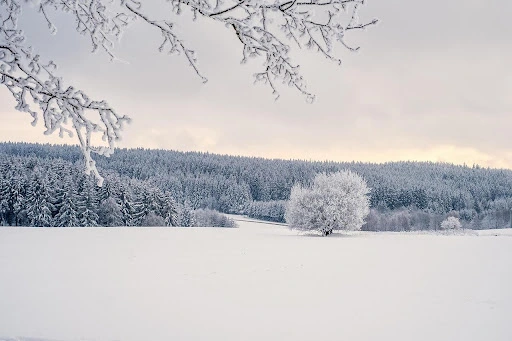
Snow, on the other hand, is often dry. Dry snow traps air, and air is a great insulator. As long as your clothes stay dry, snow can actually help keep you warm. That’s why people can survive for ages in cold, snowy environments, as long as they stay dry.
Why Cold Rain Ups the Risk For Hypothermia
Hypothermia doesn’t need to happen in sub-zero temperatures. It just needs your body to lose heat faster than it can make it. Cold rain sets the scene for that perfectly.
In wet conditions, hypothermia can kick in in minutes. Early warning signs include shivering, clumsiness, getting confused and your thinking slowing right down. As heat loss accelerates, shivering may get more violent or – even worse – just stop altogether – a serious warning sign that your body’s energy reserves are running on empty.
One of the most insidious things about cold rain is the false sense of security it can give you. Temperatures in the mid-30s or low 40s feel pretty mild, especially if you’re used to hiking in the snow. But when your insulation gets soaked, even someone who’s fit & strong can become hypothermic in double-quick time.
Cold rain also increases the caloric demands on your body. It’s working overtime to keep warm & you burn through energy like there’s no tomorrow. If you’re under-fueled, dehydrated or already knackered, hypothermia comes on fast. That’s why you so often see a cold rain incident spinning out of control: mild discomfort turns into exhaustion, which leads to bad decisions, which get you into even more trouble.
When Rain Creates Real-World Outdoor Emergencies
Cold rain doesn’t just affect your body, it changes the entire outdoor environment.
One of the big problems is gear failure. Lots of jackets that say they’re waterproof do okay in a short sharp rain shower, but fall apart when it persists. Seams leak, zippers start to seep, and moisture slowly soaks into your insulation. Down loses its loft when wet. Even synthetic insulation loses its edge when soaked.
Trail conditions become super hazardous in rain too. Muddy terrain makes you more likely to slip or fall – or worse. Stream crossings start to swell rapidly, cutting off your escape route. In snow, hazards are often right out in the open. In the rain, they change fast and you can’t even see them.
Poor decision-making is a big part of this too. People often press on through rain, thinking it’s safer or just going to pass. That leads to delayed turnarounds and continued exposure when retreating would be the much safer option.
In camps, rain can be especially treacherous. Pitching a shelter with numb hands, keeping your sleeping kit dry & getting a fire going can be a nightmare. Once your insulation gets wet, staying warm overnight becomes a major challenge – even in well-planned camps.
Wind, darkness, & exhaustion all compound these risks. Cold rain doesn’t just add one problem – it stacks multiple threats on top of each other.
How to Stay Safe In Cold Rain Conditions
The good news is that cold rain is survivable with the right preparation and mindset.Clothing is your first line of defense against the elements – and that means a real waterproof shell, not just one that’s water ‘resistant’. You need one that can keep you dry. Insulation should be synthetic or wool – don’t even think about cotton. Pack at least one spare dry layer with you, and make sure it’s wrapped up tight in a waterproof bag. Hands, feet and head are the places where you lose heat the fastest – so make sure you’re taking extra care of those areas.
You need to manage your body heat properly too – so keep moving, eat little and often, and drink plenty of water. Don’t hang around for too long unless you can get under shelter. And if you do have to stop, get those extra layers on before you even start to get cold.
It’s pretty basic, but knowing how to put up a decent shelter is a skill you should have handy. Practice in bad weather and be able to whip up a tarp or a bivvy in no time. And don’t even get me started on windbreaks and ground insulation – you should know how to do that with your eyes closed.
But the key to all of this is keeping an eye on yourself – and your mates. Watch out for the signs that hypothermia is creeping in – changes in coordination, speech, and behavior. If someone starts to go down hill, then act quickly, don’t wait till it gets too late.
Final Thoughts
Snow gets a lot of our attention , but cold rain can be just as deadly – and that’s what makes it so sneaky.
Rain near freezing will just strip the heat right out of you, destroy your gear and erode your judgement. And you won’t even know it’s happening, until it’s too late. It’s particularly tricky for people who think they’re all prepared because they’ve handled snow before, only to find themselves caught out in the cold rain.
Out in the backcountry, staying dry is often a lot more important than staying warm, take cold rain seriously and you’ll keep the margin of safety in your favour when the conditions turn wet and nasty.