Camping’s a pretty varied affair – one person might show up, throw up a tent, and be done for the night with a bag of snacks nearby, while another’s lugging a heavy pack for hours, just to set up camp and enjoy the peace and quiet at the end of the trail. The style you go for changes just about everything – how you travel, what you lug around, and what kind of experience you end up with. And the truth is, there isn’t one way that’s right or wrong – it all just comes down to what fits your time, your energy level, who you’re with and how much time you want to spend in the great outdoors.
Here’s a rundown of the main ways people go about camping – with just enough detail to give you a sense of where you might fit in.
Table of Contents
Traditional Tent Camping
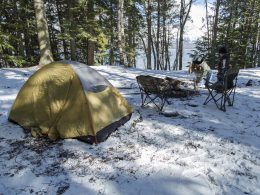
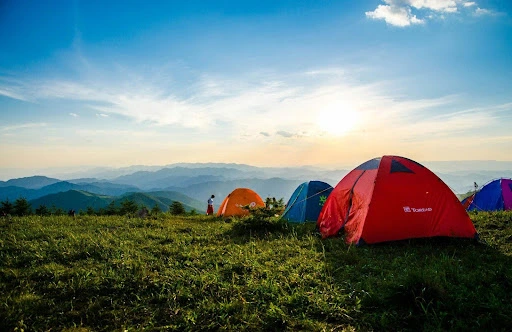
This is the most common way to go, you load up the car, head to a campground and set up on a designated spot – and usually you’ll find basics like a fire ring, a picnic table and nearby restrooms. It’s a great option for beginners, kids can run around, cooking is easy and if the weather turns you can pack up in no time. You can focus on the fun stuff like building a fire, stargazing, playing cards by the light of a lantern. Just don’t forget to get a good tent with a decent rainfly and some sturdy stakes – wind and rain don’t care if you’re new at this.
Backpacking
For those in it for the long haul, backpacking’s the way to go, everything you need goes in a pack – tent, bag, food, filter, and you hike to a spot that might be hours or even days away. The trade off for all that effort is getting some serious solitude and scenery that feels like you’ve really earned it. But you gotta be on top of your game when it comes to weight, for example a heavy pack is a killer over long miles, so look for lightweight gear like an ultralight tent, a down bag and an efficient stove. Navigation skills are important too, things like maps, compasses, and GPS units are key because you don’t want to be stuck in the dark trying to figure out where you are.
Glamping
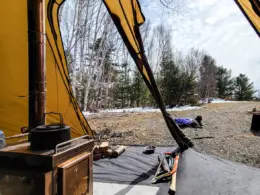
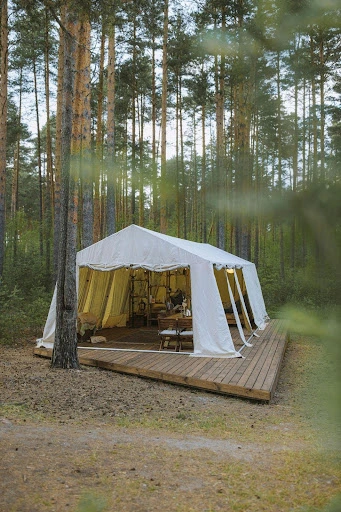
Glamping completely flips the script – you get the great outdoors, but with some real comforts. This includes a proper bed, electricity, maybe even a private bathroom or heated tent . These setups usually show up at resorts or designated sites and are a great option if you want the peace and quiet of the woods without having to rough it on the ground. Couples often go for this kind of thing as a special getaway, while families use it as a way to introduce the kids to camping without going all in on roughing it. You can just bring the essentials since the site’s got most of the comfort covered.
RV and Campervan Camping
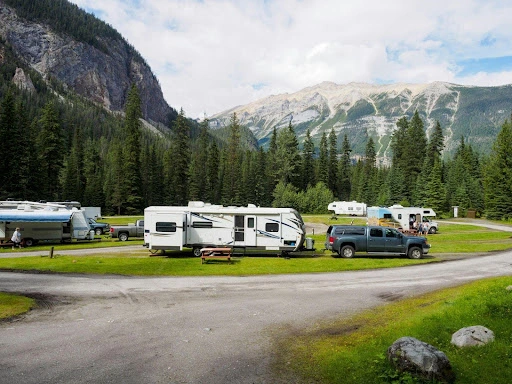
With RV and campervan camping, you bring the house with you. They are typically vehicles outfitted with full kitchens, beds, storage and you can park up at hook-up sites for power and water or go off the grid on open land with solar and tanks. It’s great for road trips and spontaneous adventures; chase the fall colors one week, head to the coast the next. Families with young kids love it because it’s so familiar and it’s great for longer stays too. Just be prepared for a bit of maintenance, leveling blocks, hoses and battery management become the norm when traveling.
Water-Based Camping
Water opens up a whole new world of exploration. Load up a canoe or kayak with dry bags and paddle to islands or riverbanks most trails skip. You get to move quietly along shorelines, camp on gravel bars or wooded points and wake up to the sound of water. Gear stays compact and sealed tight. You’ll need to bring items like waterproof bags, lightweight shelters, good water purifiers – and don’t forget the life jackets and weather checks. Anglers love it for the access to fish that others never get.
Bikepacking
Bikepacking takes the backpacking idea and puts it on two wheels – strap bags to the frame, handlebars, seat – and ride some trails or gravel roads, camp along the route. You can cover more distance than on foot, but still keep that self-contained feel. Sturdy tires handle mixed terrain, repair kits keep you from getting stuck, and low-bulk shelters save space. Gravel routes and old rail lines have made it easier to give this a try – and it’s a natural fit for cyclists who want adventure without giving up on the overnight stops.
Survival Camping
Survival camping is all about stripping it back to basics, focusing on skills instead of gear. Shelters from branches and leaves, fires without matches, foraging for what the land provides. It’s more about learning than comfort – testing what works when gear fails. This demands solid knowledge of local plants, animals and regulations. This can be the most difficult type of camping but also the most rewarding as it is camping in its most primitive form. Keep in mind that not every spot allows it, and if they do, you have to make sure your impact is minimal.
Overlanding
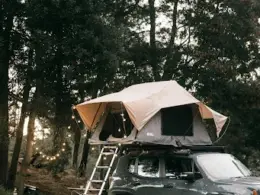
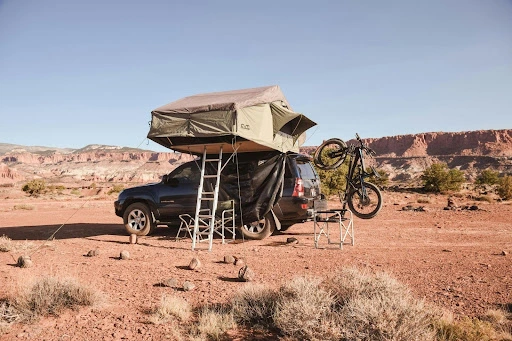
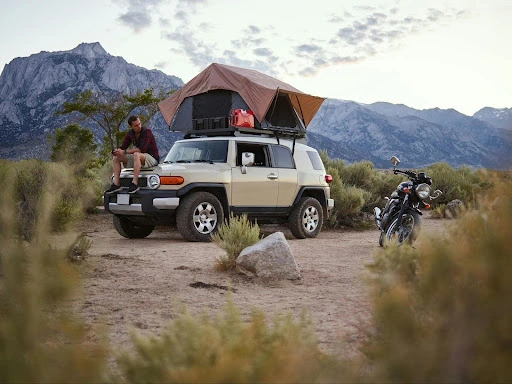
Overlanding’s a bit different – you use off-road rigs to reach places regular vehicles can’t – roof-top tents, recovery gear, portable fridges turn the vehicle into a rolling base. You explore rough tracks, set up camp wherever the trail allows and then move on. You need to know how to fix stuff when it breaks – winches, shovels, spare parts – and photographers and explorers love it for the remote access.
Final Thoughts
The right style depends on what you’re after from your trip ,is it a quick get away with mates on the weekends then a tent or RV site will be your best bet. But if you’re looking to get away on your own or want to get a view that’s unobstructed then backpacking or bikepacking might hit the spot better.
If you like all the comforts of home but out in the wild then glamping or getting into van life are probably where you’ll want to look. Water enthusiasts might want to bring a paddleboard with them . If you’re looking to hone your outdoor skills then you’re likely to want to go light with your gear. At the end of the day it’s all about this : get outside, show some respect to the place, and make sure you pack out what you pack in.