
Frost nip and frostbite can ruin a winter adventure fast. A light jacket might seem okay at first, but in strong wind or deep cold, it won’t keep you safe. Heavy gear made for extreme conditions can feel like too much on a milder day. While people often talk about hypothermia, frost nip and frostbite are very common cold injuries that hit quickly and can cause serious trouble. Here’s a clear, simple explanation of what they are, how they’re different, and how to stay safe.
Table of Contents
Frost Nip: The Early Warning Sign
Imagine going outside on a very cold morning. Your cheeks sting from the wind. Your fingers feel cold and start to tingle. This is frost nip-the mildest type of cold injury. Your skin gets extremely cold, but it doesn’t freeze completely. Blood vessels tighten to keep warm blood closer to your body’s core, so your hands, feet, nose, ears, and cheeks get less circulation.
The skin usually looks pale, red, or patchy. You feel stinging, prickling, or numbness. The skin stays soft, no hard or waxy texture. If you warm it up quickly, everything returns to normal with no lasting damage.
Why it matters: Frost nip is your body’s way of warning you. If you ignore it in very cold, windy, or wet conditions, it can quickly turn into frostbite.

Frostbite: When Things Get Serious
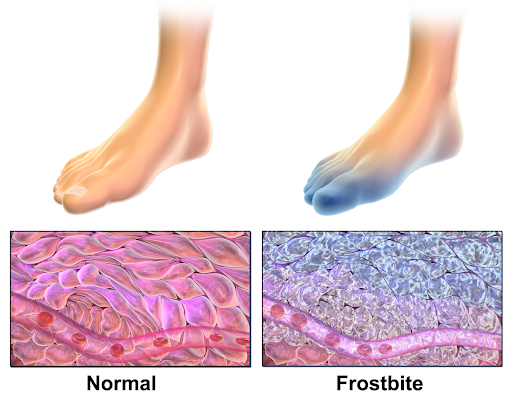
Now picture the cold continuing for a longer time, or the wind getting stronger. Your skin and deeper tissues actually freeze. Tiny ice crystals form inside the cells and damage them. This is frostbite. It can lead to blisters, permanent scars, or even loss of fingers, toes, or other parts in the worst cases.
Frostbite has two main stages:
- Superficial frostbite (only the outer skin): Skin turns white, gray, or yellowish and feels firm or waxy. It goes numb. When it warms up, you feel pain, swelling, and clear blisters appear.
- Deep frostbite (reaches muscles and bone): Skin becomes hard, turns blue-gray or black. There’s no feeling at all. Blood-filled blisters form, and some tissue may die.
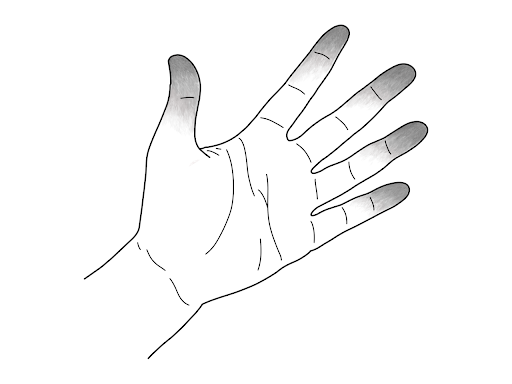
It most often affects fingers, toes, nose, ears, and cheeks-the same areas as frost nip. Very cold temperatures, strong wind, wetness, or staying out too long make it happen faster.
Key Differences: Frost Nip vs. Frostbite at a Glance
- How serious – Frost nip: Mild, only on the surface, no permanent damage. Frostbite: Deeper freezing, can cause lasting harm.
- What it feels like – Frost nip: Stinging or tingling, then numb, skin stays soft. Frostbite: Numb right away, skin feels hard or waxy.
- What happens after – Frost nip: Heals quickly with warming. Frostbite: Often needs a doctor, with risks of scars or worse.
The easiest way to remember it is that frost nip is the warning. Frostbite is what happens if you don’t act on the warning.
How to Prevent Frost Nip and Frostbite
The best way to deal with them is to never get them. In cold weather, whether you’re hiking, skiing, shoveling snow, or just outside in winter-these steps help a lot.
- Dress in layers: Wear clothes that pull sweat away from your skin, then add warm layers, and top it with windproof and waterproof outerwear. Cover your head, neck, hands, and feet-use a hat, scarf or face mask, mittens, thick socks, and warm boots.
- Stay dry and fueled: Change out of wet clothes right away. Drink water and eat snacks to keep your energy and blood flowing well.
- Don’t stay out too long: Take breaks in warm places. Keep moving to help circulation, but avoid alcohol and smoking-they make circulation worse.
- Use extras: Hand and foot warmers are great on really cold days.
- Check each other: Look for pale or white spots on faces or hands, sometimes friends notice it before you do.
The goal is simple: Don’t let your skin get cold enough to freeze.
What to Do If You Notice Symptoms
For frost nip: Get out of the cold immediately-go inside, into a car, or a warm shelter. Warm the area gently with body heat (like tucking hands under your armpits), warm water (not hot-around 100-104°F), or blankets. Don’t rub hard or use hot things like a fire. Drink something warm. It should get better soon.
For frostbite: This is an emergency, get medical help as soon as possible. Don’t thaw it if there’s a chance it could freeze again (like if you’re still outside). If help is far away, warm it in warm water, keep it raised, and take ibuprofen for pain and swelling. Don’t walk on frozen feet, rub the area, or pop blisters.
Avoid these mistakes: No rubbing (it damages frozen cells), no direct heat (it can burn numb skin), no alcohol (it makes you lose heat faster later).
Final Thoughts
Frost nip and frostbite don’t always get the same attention as other winter dangers, but they’re easy to prevent once you know the signs. That first cold sting or tingle is your chance to protect yourself and keep enjoying the outdoors.
Whether you’re on a winter walk, playing in the snow, or out for longer in the cold, layer up, stay aware, and act early. The goal is to have fun-not to deal with pain later.