Gear breaks when you least expect it. You might be miles from the car, it starts raining, and suddenly your tent pole snaps or your sleeping pad goes flat. These problems happen to everyone who camps or hikes. The good news is that most gear failures can be fixed quickly with a few simple tools and tricks. You do not need fancy equipment-just a small repair kit that weighs almost nothing.
This article explains how to handle the most common problems you are likely to face: broken tent poles, ripped tarps or tent fabric, leaky sleeping pads, snapped backpack straps, stuck zippers, and stove issues. The fixes use basic items like duct tape, paracord, a multi-tool, Tenacious Tape patches, zip ties, a needle and thread, safety pins, and a small tube of Seam Grip or Crazy Glue. Carry these in your pack. They take up very little space and can save your trip.
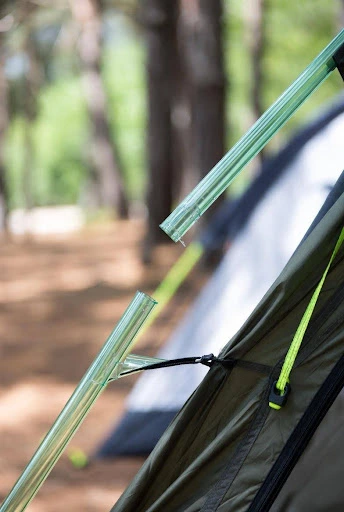
Table of Contents
Broken Tent Poles
Tent poles usually break at the joints. Fiberglass poles often snap cleanly, while carbon poles can crack or splinter. When this happens, the tent loses its shape and may not stand up properly in wind or rain.
Many tents come with a short metal sleeve designed for this exact problem. Slide the sleeve over the broken spot so it covers both sides of the break equally. Then wrap duct tape tightly around it, overlapping each wrap by about half the tape’s width. This creates a strong splint.
If you do not have the sleeve, find a straight stick or tent stake that fits inside the pole. Slide the broken ends together over the stick, then wrap duct tape around the joint several times. For splits at the metal ferrules (the connecting ends), wrap paracord or duct tape in a crisscross pattern to hold everything together.
To avoid this problem in the future, set up poles carefully and do not bend them too far. Use guy lines in windy weather to reduce stress on the poles. A multi-tool can help cut tape neatly.
Ripped Tarps, Rain Flies, or Tent Fabric
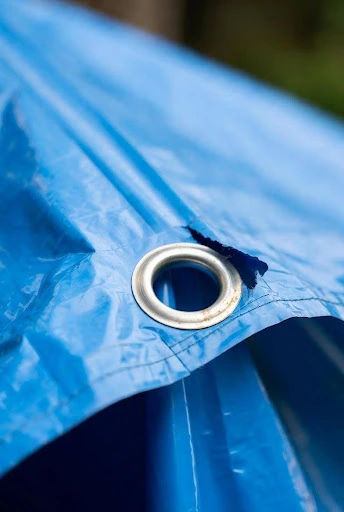
A small tear can quickly become a big hole when wind pulls on it. Branches, sharp rocks, or rough handling cause most rips.
For small holes or slits, use Tenacious Tape. Clean the area as best you can, peel off the backing, and press the patch firmly onto the fabric. Stick patches on both sides if you can reach them. This tape sticks well even if the surface is slightly wet.
For larger tears, sew the edges together first using a heavy needle and strong thread. Make tight, even stitches. Then cover the sewn area with tape or apply Seam Grip to make it waterproof again. Seam Grip is a sealant that works well on seams and tears-just use a small amount and let it dry if possible.
Duct tape can work temporarily, but it may peel off in heavy rain. Always guy out tarps and flies evenly so the fabric does not pull in one spot too hard. Check your gear for weak areas before you leave home and patch them early.
Leaky Air Mattresses or Sleeping Pads
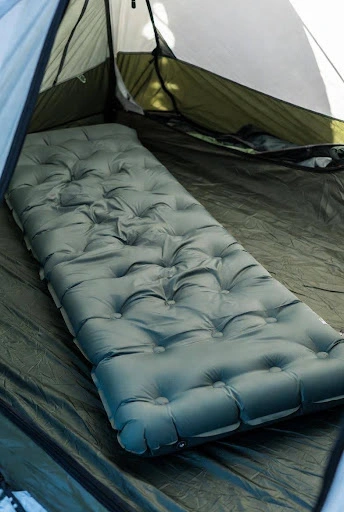
Waking up on the ground because your pad lost air is frustrating. Most leaks come from small holes caused by thorns, rocks, or abrasion.
To find the leak, inflate the pad fully. If you are near water, submerge sections and look for bubbles. If not, press along the seams and listen for hissing air. Clean the spot with a cloth or alcohol wipe, dry it, and apply a patch from a repair kit or Tenacious Tape. Press hard for about 30 seconds to make sure it sticks.
For very small holes, a piece of duct tape pressed over the spot often holds air overnight. Glue-based patches from a proper kit last longer but take more time to set.
Always place a groundsheet or tarp under your pad to protect it from sharp objects. A small repair kit fits easily in your pack and fixes most pads.
Snapped Backpack Straps or Buckles
A torn strap or broken buckle makes your pack hard to carry or close properly.
For a ripped strap, sew it back together with strong thread, making several rows of stitches for strength. Then wrap duct tape around the repair for extra support. You can also thread paracord through small holes to reinforce it.
If a buckle breaks, use zip ties to connect the webbing. Loop two or three zip ties through the holes and pull them tight. For a detached strap, use safety pins or a paracord loop to reattach it to the pack’s harness.
Check your pack’s stitching and buckles before long trips. Do not overload it, as extra weight puts more stress on the straps.
Stuck Zippers or Broken Zipper Pulls
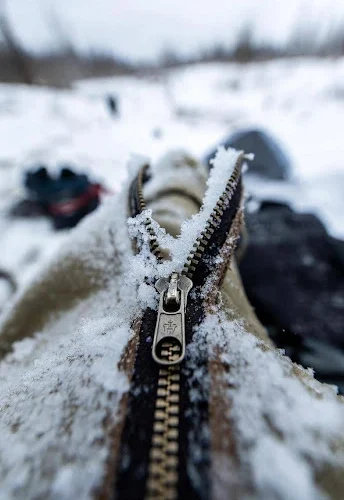
Zippers get stuck from dirt, sand, or cold weather. Sometimes the pull tab breaks off completely.
To free a stuck zipper, rub pencil graphite (from a small pencil) or a bit of lip balm along the teeth. These act as lubricants. Gently work the zipper back and forth until it moves.
If the pull tab is gone, thread a short piece of paracord or a keyring through the hole in the slider to create a new grip.
If the teeth are separated, line them up carefully by hand and try zipping slowly from the bottom. If the zipper is too damaged, tape it closed and use another door or opening on your tent or pack.
Keep zippers clean and avoid forcing them when they are cold or dirty.
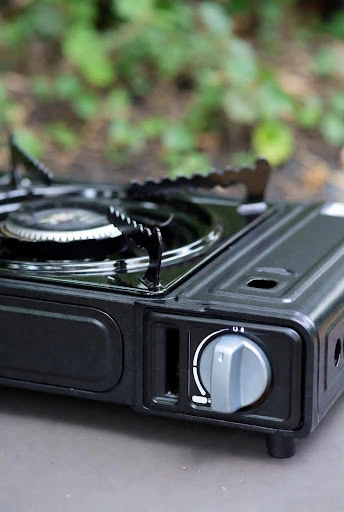
Stove Issues
Stoves can clog or fail to light, especially after heavy use or in wet conditions.
For a clogged jet, gently poke the small hole with a thin wire or the pin from your multi-tool. Then use a lighter to burn off any leftover residue.
On pump stoves, low pressure often comes from a worn O-ring or not enough pumps. Check the O-ring and replace it if cracked. Pump more strokes or bleed excess air if the stove gurgles.
If the piezo igniter does not spark, use matches or a lighter instead. Keep the stove clean, use good fuel, and test it before you leave camp.
Final Thoughts
These simple repairs turn big problems into small ones. Put together a basic kit: duct tape wrapped on a card, Tenacious Tape patches, 20-30 feet of paracord, a few zip ties, a needle and thread, safety pins, a small tube of Seam Grip, and a multi-tool. The whole thing weighs less than six ounces.
Practice these fixes at home so you know what to do when you are tired, cold, and in the dark. When gear fails, a little preparation keeps the trip going instead of ending early.