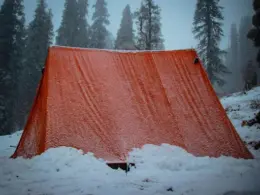
Winter weather can shift from manageable to dangerous in a matter of minutes. Roads close, vehicles slide into ditches, engines fail, and storms can make walking for help nearly impossible. Whether you’re intentionally car camping before an early start or unexpectedly stranded overnight, knowing how to stay warm and safe in your vehicle is essential.
A cold night in a car is not life-threatening in most circumstances as you are still inside a small shelter. With smart preparation, a calm mindset, and a few critical strategies, you can protect yourself until daylight or rescue arrives.
Table of Contents
Assessing the Situation: When You Should Stay in Your Car
The first decision you face is whether to remain in your vehicle. In most winter emergencies, the safest option is to stay put. A car provides shelter from wind, precipitation, and sub-freezing temperatures. It’s easier for rescuers to see, and it offers some insulation that bare exposure can’t match.
Before settling in, take a moment to evaluate the surroundings. Are you off the roadway enough to avoid traffic? Is visibility too poor to hike for help? Do you have a cell signal? Is the temperature dropping rapidly? If conditions are harsh, walking into a storm, especially in the dark—, can lead to hypothermia much faster than staying inside the vehicle.
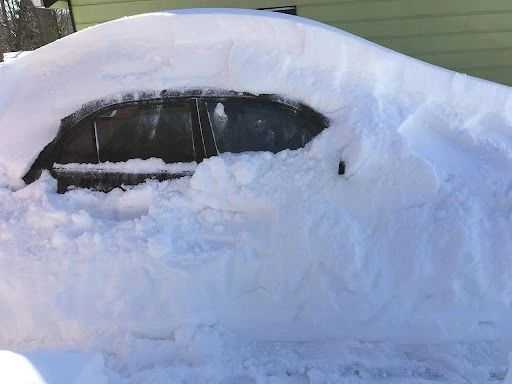
If possible, position the car where you can be seen. Turn on hazard lights intermittently to conserve battery power, and make sure you’re out of deep snowdrifts that could bury the exhaust or block doors.
Heat Retention and Insulation Strategies
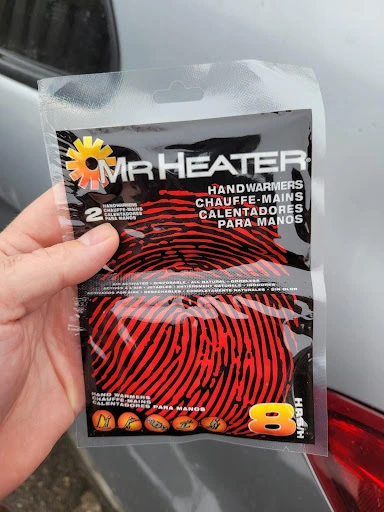
In this situation, staying warm isn’t about creating heat; it’s about conserving the heat you already have. Your vehicle will lose warmth steadily throughout the night, so the goal is to trap as much as possible for as long as possible.
Insulate Your Body
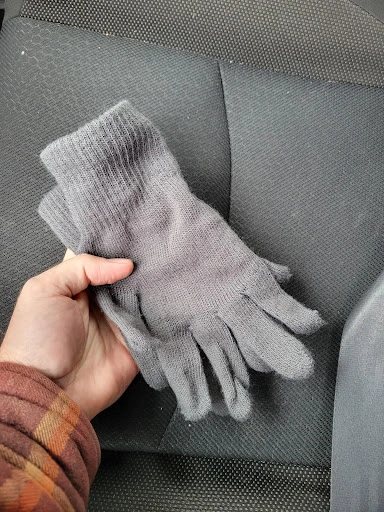
Start with yourself. Put on multiple clothing layers using moisture-wicking fabric closest to your skin. Thick socks, gloves, and a warm hat are a must because your head and extremities lose heat the fastest. If you have a winter-rated sleeping bag, use it. Even a lighter bag combined with blankets can create a surprisingly effective cocoon.
Insulate the Car Interior
The inside of a vehicle cools quickly once the engine is off, especially through the windows. Use sunshades or windshield reflectors turned inward to bounce body heat back toward you. Cover windows with blankets, jackets, or any spare fabric to reduce heat loss. Even stuffing clothing into door gaps or vents helps minimize drafts. You don’t want to eliminate all drafts, which will be talked about more later on.
Maximize Heat From Your Own Body
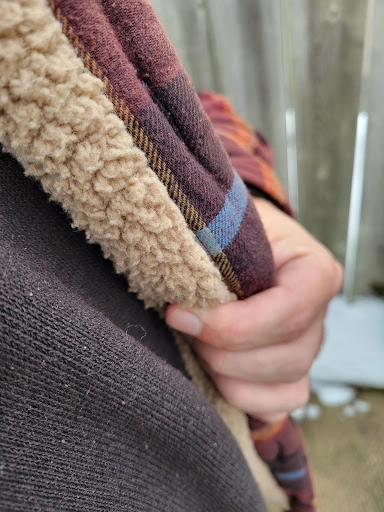
Chemical hand warmers or foot warmers can provide several hours of gentle heat. Slip them into socks, gloves, or pockets. They should always be part of your safety kit inside the car. If your clothing is even slightly damp, switch into something dry. Moisture pulls warmth away from you quickly and is one of the fastest paths to dangerous cooling.
Ventilation Is Essential
In an attempt to stay warm, many people mistakenly seal their car tightly. That’s a serious error. Without ventilation, condensation builds up, the air becomes stale, and more importantly, you increase the risk of carbon monoxide problems, especially if the engine is running intermittently.
Crack one window slightly on the side away from the wind. Even a half-inch gap is enough to allow proper airflow. If you have a rain guard or mesh shade, use it to keep snow out while still maintaining ventilation. Good airflow prevents moisture buildup, keeps oxygen levels safe, and helps regulate temperature more effectively than a totally sealed cabin.
What Items to Keep in Your Vehicle
A winter emergency kit is one of the best investments a driver or outdoor enthusiast can make. A few essential items can transform a freezing, uncomfortable night into a manageable situation.
Warmth & Comfort
- Emergency blankets or reflective bivy sacks
- Extra layers: fleece, wool socks, insulated gloves
- A cold-weather sleeping bag (or at least a blanket dedicated to your vehicle)
Emergency Supplies
- Power bank or portable charger
- Flashlight or LED lantern, plus spare batteries
- First-aid kit with winter additions like hand warmers and antiseptic wipes
- Chemical hand warmers!
Car-Specific Tools
- Snow shovel and ice scraper
- Traction aids such as sand, kitty litter, or rubber tracks
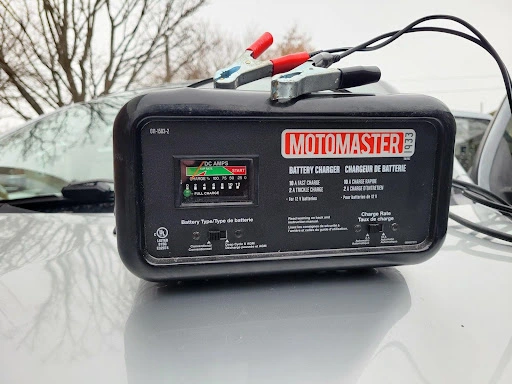
- Jumper cables or a battery booster pack
Food & Water
- Non-perishable snacks (lots of them)
- An insulated bottle filled with water (so it doesn’t freeze as quickly)
- Alcohol fuel and stove to help melt snow for water
Keeping these items in your vehicle year-round, especially if you live or travel in snowy regions, adds a layer of security that’s hard to beat.
Safety Precautions for Winter Vehicle Overnights
Staying safe is just as important as staying warm. Winter conditions come with hazards that require careful management.
Carbon Monoxide Safety
This is the most serious threat during winter vehicle overnights. Never leave the engine running for long stretches while you sleep. If you decide to run the heat briefly, do it for 10–15 minutes at a time. Before each interval, check that the exhaust pipe is completely clear of snow. Even partial blockage can cause carbon monoxide to fill the cabin.
Signaling for Help
Conserve your battery, but use hazard lights periodically. If visibility is low, place reflective markers or flares near the vehicle when safe to do so. Keep your phone charged as much as possible so you can call for help if conditions improve.
Conserve Battery Power
Avoid using interior dome lights for extended periods. LED lanterns or headlamps are far more efficient. Turn off unnecessary electronics to avoid draining your car’s battery.
Monitor Weather Conditions
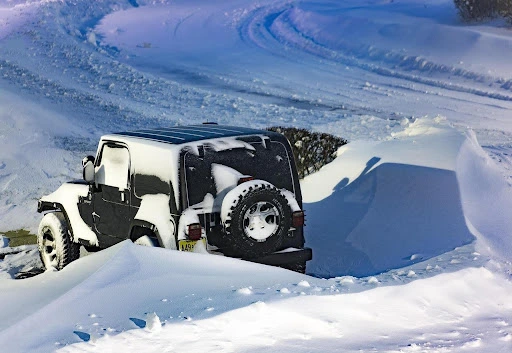
If snowfall increases, check around the vehicle regularly. Deep snow can block doors and exhaust pipes, making the situation more dangerous.
What NOT to Do
Some common mistakes can quickly turn an uncomfortable night into a dangerous one.
Don’t Let the Exhaust Pipe Get Blocked
Snow buildup behind the car can cause deadly carbon monoxide to enter the cabin, even if the engine is off and wind pushes fumes toward the vehicle.
Don’t Run the Engine Constantly
Continuous idling burns through fuel, risks CO poisoning, and may drain the battery or cause mechanical issues. If you need heat, use brief intervals.
Avoid Open Flames Inside the Vehicle
Candles and camp stoves may seem like quick solutions, but they create fire hazards and can consume oxygen rapidly.
Don’t Overexert Yourself
Avoid intense physical activity that causes sweating. Sweat cools quickly and accelerates hypothermia.
Final Thoughts
Sleeping in a vehicle during winter isn’t always the most comfortable experience, but with the right preparation, it can be survivable and even manageable. Winter weather is unpredictable, but a well-prepared traveler can face it with confidence rather than panic. The smartest move is always preparation: build a kit, learn the basics, and stay aware of your surroundings. With these strategies, you can turn a cold, potentially dangerous night into a controlled situation until help arrives or daylight breaks.