The woods in winter hold a special kind of silence. The air feels sharper, the ground crunches under your boots, and the promise of a good campfire is enough to warm your bones. But before you start swinging an axe or firing up the chainsaw, take a moment to look closer at the trees around you. Not every tree is ready to burn. Cutting a dead one can be smart and safe. Cutting a living one by mistake wastes energy, damages the forest, and gives you poor firewood.
If you camp, hike, or heat with wood, learning to tell the difference between a live and dead tree is a skill worth having. This skill becomes even more important when venturing out in winter, where each choice of firewood can impact your comfort and safety. It’s simple once you know what to look for.
Table of Contents
Why It Matters Out in the Wild
When you’re camping, especially in winter, firewood isn’t just comfort – it’s survival. The right wood burns hot and clean. The wrong kind smokes, hisses, and leaves black residue on your gear. Freshly cut green wood is full of moisture. It burns poorly and clogs your fire with steam and soot. Dead wood, on the other hand, is drier, lighter, and much easier to ignite. It makes better kindling and longer-lasting coals.
There’s also the matter of respect for nature. Healthy trees are the backbone of every forest. They hold soil, shelter wildlife, and filter the air we breathe. Cutting one down unnecessarily throws the balance off. Plus, a dead or dying tree can fall without warning – and that can turn a good camping trip into an emergency.
Look First: The Forest Tells You Plenty
Before touching your saw or hatchet, stand back and take in the tree’s overall look. Nature leaves clear clues.
Bark: A living tree’s bark clings tightly to its trunk. It might have cracks or rough patches, but it feels firm under your hand. If the bark peels off easily or large sections have fallen away, the tree is likely dead.
Branches: Move closer and examine the limbs. Living branches bend slightly and feel springy. Dead ones snap cleanly with a dry crack. If the top branches are all bare or broken, the tree may have died from the crown down.
Buds and twigs: Even in the cold, living trees prepare for spring. Run your fingers over small twigs – if you find tiny, firm buds, that’s a sign of life. If they crumble or you find none at all, the tree is probably gone.
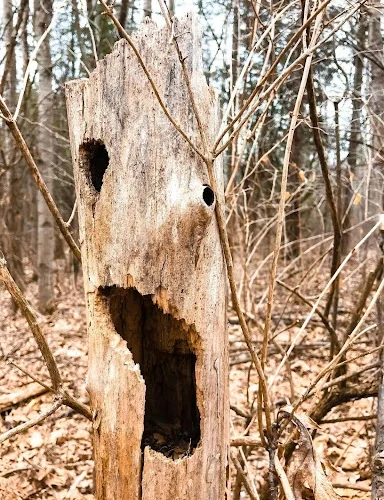
Fungi and decay: Check the base for mushrooms, shelf fungus, or soft wood. These are signs of rot. When fungus takes hold, the tree’s core is already dying. Avoid it – rotten wood burns poorly and can collapse unpredictably.
Quick Field Tests You Can Try
If you’re still unsure, a few quick tests can tell you more.
- The scratch test: Use your knife to gently scrape a small patch of bark. If the layer beneath is green and moist, the tree is alive. If it’s brown and dry, it’s dead. This is one of the simplest and most reliable ways to check.
- Flexibility: Snap a few small twigs. Living ones bend before breaking. Dead ones crack like dry spaghetti. Try different areas – sometimes a tree can be half-dead.
- Sound test: Tap the trunk with the flat of your hatchet or a stick. A solid, living tree gives off a full, dense thud. A dead or hollow one echoes like a drum.
- Moisture: In mild winter weather or thaw, you might notice sap under the bark of living trees. Dead wood will be completely dry inside.
Check the Base: Where the Truth Lives
Down near the roots, you’ll often find the real story. Inspect the base for stability. Are the roots firm in the soil or lifting from the ground? Healthy roots hold tight; rotting ones crumble or pull free. Mushrooms or fungus near the roots almost always mean decay inside.
Look at the trunk. Deep cracks, holes, or sawdust at the base show insect damage or internal rot. If the tree leans heavily or the trunk feels hollow, don’t touch it – it could fall at any moment. Those are widowmakers, dangerous to cut and even worse to camp beneath.
Final Thoughts
A living tree tells its story through tight bark, supple branches, and the faint green of life beneath its skin. A dead one answers with brittleness, hollow sound, and decay. Learning the difference isn’t hard, but it takes awareness – the kind campers develop naturally when they spend time outdoors.
Before you cut, look. Tap. Test. The woods are full of clues if you slow down long enough to read them. You’ll get better firewood, safer camps, and a deeper respect for the forest that keeps you warm when the cold sets in.