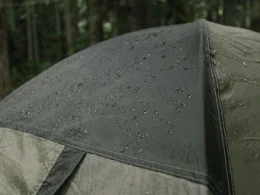

Late fall and winter camping present unique challenges: freezing temperatures, limited daylight, and unpredictable weather. Success in these conditions depends on preparation and the right equipment. This 2025 guide outlines the essential gear needed to stay warm, dry, and safe when camping in cold environments. Each section explains what to look for, why it matters, and how to assemble a system that performs reliably in freezing conditions.
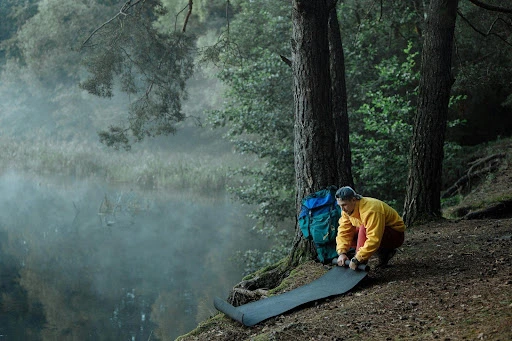
Table of Contents
The Importance of Cold-Weather Gear
Camping in the cold requires more than just extra clothing. It’s about building a complete system that manages heat retention, moisture, and protection from the elements. Hypothermia and frostbite are real risks when body heat is lost faster than it can be replaced. Proper gear minimizes these risks and improves comfort and efficiency.
Modern outdoor equipment also reflects advances in sustainability and performance – from recycled insulation and water-resistant fabrics to lighter, more durable shelters. Choosing dependable gear ensures safety and reduces fatigue, allowing you to focus on the experience rather than the temperature.
Shelter: Your First Line of Defense Against the Cold
A reliable shelter is the foundation of any winter camping setup. It protects you from wind, snow, and freezing ground temperatures.
- Four-Season Tent: Select a tent with strong pole architecture and steep walls to shed snow efficiently. Look for a waterproof rating of at least 2,000 mm and a vestibule for storing wet or bulky gear.
- Snow Stakes and Guylines: Longer, Y-beam stakes hold better in soft snow. Reflective guylines prevent tripping hazards at night.
- Tarp or Bivy Sack: A silnylon tarp provides extra wind protection, while a bivy adds waterproof coverage for your sleeping bag.
- Footprint or Groundsheet: Adds insulation from frozen ground and prolongs the life of your tent floor.
Sleep System: Keeps You From Freezing During the Night
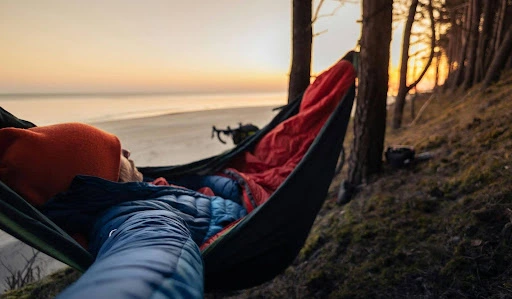
A proper sleep setup is critical to recovery and body heat retention. Insulation from both above and below keeps you warm through the night.
- Sleeping Bag: Choose down or synthetic insulation rated to 0°F (-18°C) or below. Mummy-shaped bags trap heat efficiently.
- Sleeping Pad: Combine an inflatable pad and a closed-cell foam pad for a total R-value of at least 5.
- Inflation Tools: Use a pump instead of breath inflation to prevent condensation from freezing inside the pad.
- Hot Water Bottle: Fill a durable bottle with hot water before bed to maintain warmth through the night.
Clothing: Layering for Adaptability
Winter conditions demand a clothing system that adapts to exertion levels and the changing weather. Each layer should serve a specific purpose: moisture control, insulation, or protection.
- Base Layers: Merino wool or synthetic fabrics wick moisture away from skin and dry quickly. Cotton-based clothing items will still work but they stay wet much longer.
- Mid-Layers: Fleece or down jackets add warmth without restricting movement.
- Outer Shell: A waterproof-breathable shell with a 20,000 mm rating or higher blocks wind and snow while allowing vapor to escape.
- Head, Hands, and Feet: Use a beanie or balaclava, insulated gloves with liners, gaiters, waterproof boots, and multiple pairs of wool socks.
- Accessories: Include a neck gaiter and backup hand warmers for extended exposure.
Recycled and plant-based technical fabrics are now common in high-performance outerwear but you can still find the tried and true fabrics such as wool or fleece.
Cooking and Nutrition: Fueling Your Body
Cold environments increase your caloric needs and slow down cooking efficiency. You’ll want to plan meals that provide consistent energy and require minimal fuel.
- Stove and Fuel: Liquid-fuel stoves perform better than canisters in freezing temperatures and can be easily refueled. This includes white gas, kerosene, unleaded gas, and even diesel. Propane works as an alternative but you’ll want to avoid butane as it doesn’t ignite well in cold temps.
- Cookware: Titanium pots and insulated mugs balance weight and heat retention.
- Food: Choose calorie-dense, easy-to-prepare foods such as nuts, jerky, dehydrated meals, and high-fat snacks.
- Water System: Use insulated bottles to prevent freezing and carry a reliable filter or purifier for melting snow.
Navigation and Safety: Preparation and Awareness
Reduced visibility, limited daylight, and low temperatures make navigation and safety equipment critical to winter travel.
- Headlamp: Choose one with at least 300 lumens, a red-light mode, and backup batteries.
- Navigation Tools: Carry both GPS or offline maps and a traditional compass for redundancy.
- First Aid Kit: Expand standard kits to include thermal blankets, blister care, and warming packs.
- Communication: A satellite messenger or emergency beacon ensures you can call for help if needed.
- Fire Starters: Include waterproof matches, a ferro rod, and reliable tinder (cotton balls and vaseline for example) for emergencies.
Heating Options: Safe and Effective Warmth
For extended cold-weather trips or basecamp setups, supplemental heat can make a significant difference in comfort. However, safety is critical — improper use of heating devices in enclosed spaces can lead to carbon monoxide buildup or fire risk. Always ensure proper ventilation and follow manufacturer instructions.
- Propane Heaters: Compact propane heaters designed for indoor or tent-safe use (such as catalytic or low-oxygen shutoff models) can raise interior temperatures quickly. Use only models rated for enclosed spaces, and provide consistent airflow to prevent gas accumulation.
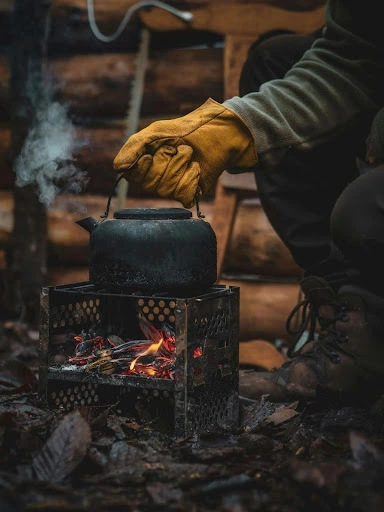
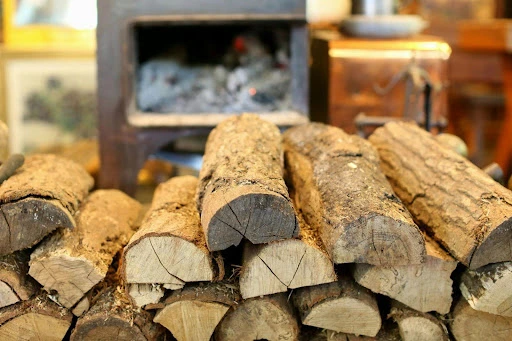
- Wood Stoves: Titanium or stainless steel wood-burning stoves are popular among winter campers using hot tents. These lightweight stoves provide dry, radiant heat and double as cooking surfaces. They require a stove jack and heat shielding within the tent, as well as careful fire management and constant supervision.
- Heat Retention Methods: Even without a dedicated heater, you can maximize warmth by insulating the tent floor with foam tiles or extra tarps, using reflective blankets behind your sleeping area, and sealing gaps to minimize drafts.
Heating systems should always supplement, not replace, appropriate sleeping insulation and clothing layers. Treat them as comfort enhancers, not survival tools.
Late Fall and Winter Camping Gear Checklist
Use the following checklist as a packing reference. Adjust based on location, expected temperatures, and trip duration.
| Category | Essential Items |
| Shelter | Four-season tent; snow stakes; tarp or bivy sack; footprint or groundsheet |
| Sleep System | 32° – 0°F sleeping bag; R5+ sleeping pad; inflation tool; hot water bottle |
| Clothing | Base, mid, and outer layers; insulated gloves; beanie or balaclava; gaiters; waterproof boots; wool socks |
| Cooking and Nutrition | Liquid-fuel stove; titanium cookware; high-calorie food; insulated bottles; water filter or purifier |
| Navigation and Safety
Heating |
Headlamp; GPS or compass; first aid kit; satellite communicator; fire-starting tools
Portable hiking titanium woodstove, propane heater |
Final Thoughts: Practice Makes Perfect
Cold-weather camping rewards preparation and precision. The right gear prevents discomfort and reduces risk, allowing you to focus on the experience rather than the temperature. By investing in reliable equipment and testing your setup before heading into the field, you can approach late fall and winter camping with confidence and safety. Another good tip is to learn as you go, let the uncomfortable teach you how to be comfortable.