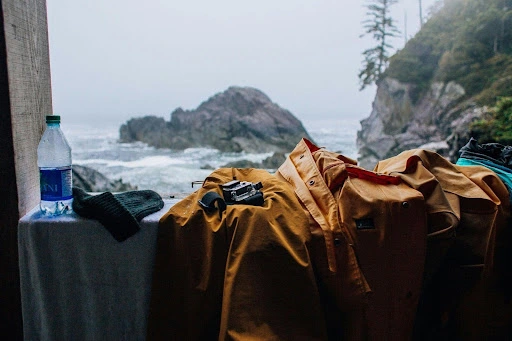
Fall and winter camping is great with those crisp nights and all the colorful leaves, but when those sudden showers hit they can soak your tent, gear, and basically ruin your whole mood in just a few minutes. Having solid rain protection keeps your trip going, so you can focus on enjoying the trail views or sitting around the campfire instead of shivering in wet clothes. You’ve basically got two good options to choose from: the simple rain poncho or the fitted rain jacket. Both of them block water pretty well, but they work better in different camping situations.
Table of Contents
Ponchos: Broad Coverage for Camp Setup and Hikes
Rain ponchos have been around forever for campers, and they’ve come a long way from those old oilcloth capes to today’s lightweight nylon or PVC versions that have a simple hood and head hole. You can throw them on really fast and they hang loose to cover you from shoulders to knees or even longer. This setup is perfect for covering your whole kit when it starts pouring, basically turning you into a walking dry zone right there at camp.
What I really like about ponchos for camping is how much they cover. They protect not just your body but also your backpack, sleeping bag, or even a bundled up tent, which stops water from getting into straps or seeping through zippers. The loose design lets air move around, so you don’t get all sweaty during a rainy hike or when you’re chopping wood. If you’re backpacking with heavy loads or camping with a group that shares shelters, ponchos give you quick, shared protection without any hassle. The nice thing is they’re super light, packing down to about the size of your fist, so they won’t add much weight to your trail gear.
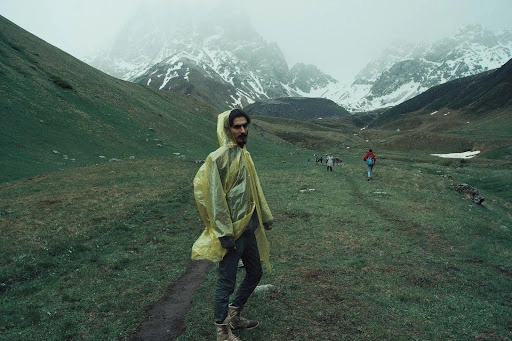
But ponchos aren’t perfect for every camping situation. High winds—which you get a lot in exposed campsites—can turn the fabric into a flapping nightmare, letting rain splash underneath or hit your legs. The baggy fit makes it hard to move quickly, like when you’re trying to stake down a tent in gusts or scrambling over roots, and the edges might ride up when you’re crossing streams. They definitely look more “practical” than “sleek,” which doesn’t matter much around the fire but can feel awkward on group trips. Ponchos focus on giving you shelter all around instead of looking good, which makes them great for casual overnight trips.
Jackets: Streamlined Protection for Active Trail Days
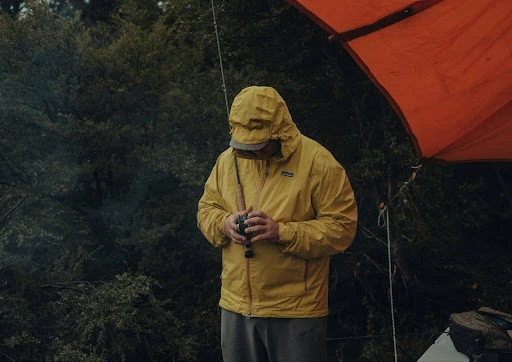
Modern rain jackets have gotten rid of those old bulky rubber designs for high-tech layers like Gore-Tex, which keep rain out while letting body vapor escape so you stay dry inside and out. They fit close to your body with features like drawstring hems, wrist seals, and roll-up hoods that stay put when you’re moving around. These jackets are built to last, so you can push through miles without any drag, which is perfect for multi-day hikes.
For camping, jackets give you precise, reliable protection. Their snug build and taped seams keep water out even in sideways storms, keeping your core warm when temperatures drop after sunset. The breathable technology really shines when you’re hiking uphill, pulling sweat away so you get to camp feeling fresh instead of sticky. Plus, they work well with base layers for layering when the fall weather changes, and they look good whether you’re solo backpacking or at family campsites. I’ve tested them in everything from light drizzles to heavy storms, and jackets let you move around freely for tasks like filtering water or running errands around camp.
There are some downsides though. The top-quality models cost more because of the fancy fabrics, and they only go down to your waist, so your legs and packs get wet unless you add rain pants. Really sealed designs can trap heat when you’re doing easy chores like scouting for campsites, and while they stuff into their own pockets, they weigh a few ounces more than ponchos. Ultralight hikers might not like that, but for serious campers, the trade-off gets you lasting comfort.
How They Compare: Matching Gear to Camp Conditions
When you break down how they stack up, there are clear winners in different categories, all based on real camping situations. For breathability and comfort, jackets win with their moisture-wicking technology, which is crucial when you’re sweating on climbs or chopping kindling without overheating. Ponchos give you airflow that’s great for hanging out by the fire or easy walks, but in humid rains, they can feel sticky against damp skin. If you’re actively day-hiking, go with a jacket; if you’re relaxed car-camping, go with a poncho.
For packability and weight, ponchos win hands down, they’re basically nothing in a hip pocket, leaving space for important stuff like a stove or first-aid kit. Jackets compress tight and resist tears from branches, so they’re more durable for repeated trips.
Ponchos cover you and your gear completely, which is a lifesaver when rain hits while you’re setting up camp or on loaded approaches. Jackets are great for mobility, staying put during fast packing or river crossings without flapping around.
Final Thoughts
The right choice depends on your camping style, there’s no one-size-fits-all solution in the backcountry. Ponchos are perfect for budget-friendly, emergency-ready trips: think festival-style group camps, short overnight trips, or when every ounce matters. You can’t beat them for protecting bulky loads during setup in steady rain. Jackets work best for dedicated outings where smooth movement and all-day dryness matter most.