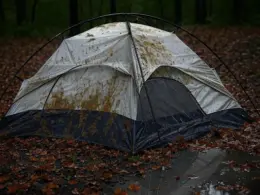
Starting a fire in the backcountry isn’t always just about surviving the trip, it’s actually one of the most satisfying parts of any outdoor adventure. There’s something primal about turning a handful of dry twigs into roaring flames, especially when the temperature drops and the wind picks up. But for many of us, especially on those colder trips, the fear of a failed fire is a real worry. What if everything stays cold and damp? What if you can’t get that spark going? These are all real-world issues that can arise in the backcountry.
The good news is that fire-starting boils down to three simple elements: fuel, oxygen, and heat (what experts call the fire triangle). Get these right, and you’re golden. Miss one, and even the best-laid fire plans will “fizzle” out. I’ve spent plenty of nights in the woods learning this the hard way and now I break it down every time before striking anything. Let’s walk through each element, with practical tips that make the difference between frustration and a warm, reliable fire.
Table of Contents
Fuel: Your Fire’s Foundation
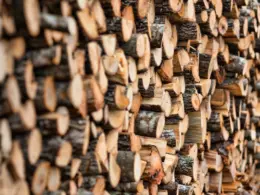
Fuel is the “food” that keeps the fire alive, and it’s where most people go wrong right from the start. Think of it in layers, like building a meal: start small and build up.
- Tinder – Super fine, dry stuff that catches from the tiniest spark. Birch bark, dry grass, pine needles, or even cotton balls with petroleum jelly if you’re packing extras. This is your instant ignition point.
- Kindling – Pencil-thick twigs and small branches to turn that initial flame into something sustainable.
- Fuel wood – Larger logs for the long burn.
The key? Everything must be bone-dry. Wet fuel is the number-one killer of campfires, especially in winter or high-humidity spots. I always gather dead, standing wood or break off lower branches while avoiding anything touching the ground. On colder trips, I prep extra tinder ahead of time (like cotton balls and vaseline) and store it in a waterproof bag.
A solid structure helps too. I love the teepee lay for beginners because it allows great airflow and builds heat quickly. Start with a loose pile of tinder in the center, surround it with kindling in a teepee shape, then add larger pieces as it catches.
Oxygen: Let Your Fire Breathe
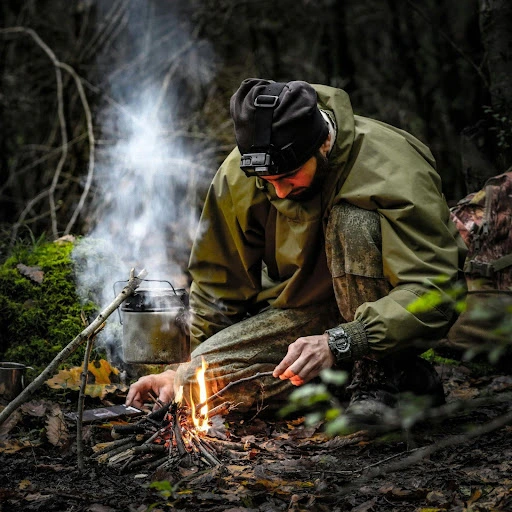
Oxygen is the element people overlook most. Fire needs air to thrive, just like we do. Too little, and it smothers; too much wild wind, and it blows out.
Build your fire with gaps, meaning never pack everything tight. The teepee or log cabin structures work well because they create natural channels for air. In windy conditions (think exposed ridges or winter camps), use natural windbreaks like rocks or snow walls, but leave an opening for airflow.
Even in snow, you can make it work by clearing a base and using a platform of green logs or rocks to keep fuel off the wet ground. If the flames start dying, gently fan or blow at the base, never dump on more wood too fast. I’ve learned that patience here saves the whole effort.
Heat/Ignition: The Spark That Starts It All
This is the kickstarter: the heat needed to get the chemical reaction going. In the backcountry, I carry multiple options because one failure can end the night cold.
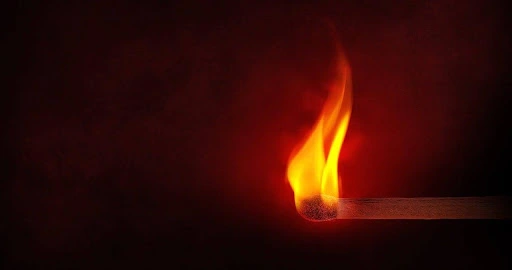
Reliable modern tools like a ferro rod (ferrocerium rod) are my go-to, they throw hot sparks even when wet and regardless of elevation. Aim for 45 degrees, use the back of your knife, and shower sparks directly onto prepared tinder.
If you’re lazy, like I am on most trips, I will bring multiple things like lighters, torches, and waterproof matches to ensure that I can get a fire started with minimal issue. The key thing here is to think ahead and prepare for the conditions (and maybe some surprise conditions) that you will encounter when starting a fire.

Putting It All Together
Mastering the fire triangle turns a potential struggle into a reliable skill. Gather dry fuel in stages, ensure good airflow, and have a dependable ignition source. On high-altitude or winter-inspired trips, these basics become even more critical, thinner air and cold make everything harder, so preparation matters twice as much.
Fear of a dead fire is normal, but like most backcountry worries, it’s manageable with the right approach. Next time you’re out there, take a moment to think through fuel, oxygen, and heat before you strike. You’ll end up with more than just warmth, you’ll have that deep satisfaction of commanding the elements.