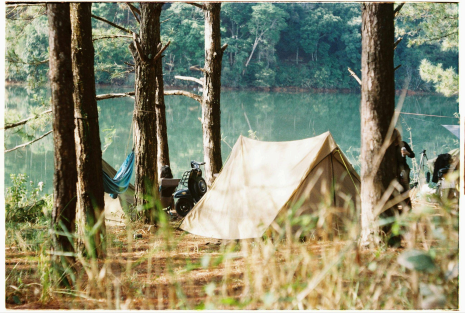
Choosing the right tent can make or break a trip. A feather-light summer shelter can fold like paper in the first real storm. A true expedition tent, meanwhile, feels unnecessarily heavy on a calm July weekend. The outdoor industry sorts tents into 2-season, 3-season, and 4-season categories, yet the labels often leave people more confused than confident. Here’s what those terms really mean, how the designs actually differ, and which one you should actually own.
Table of Contents
2-Season Tents: Warm-Weather Specialists
Imagine a soft summer evening with just enough breeze to keep the bugs moving. The thermometer never dips below 50 °F. This is exactly where a 2-season tent feels at home.
Ventilation and low weight rule the design. Huge mesh panels often cover most of the upper body—sometimes the entire canopy is mesh. Rainflies tend to be small, partial, or optional altogether. Poles are thin aluminum or fiberglass. A typical two-person version weighs less than four pounds and packs down to the size of a loaf of bread.
In hot, humid, buggy conditions, these tents excel. Air moves constantly. Condensation stays minimal. You can stuff the whole thing in a daypack without noticing.
The limits become apparent quickly when conditions change. Winds above 25–30 mph bend poles and flap fabric violently. Driving rain sneaks past the skimpy fly. Even a couple of inches of wet snow will collapse the structure. Most manufacturers are honest: “mild conditions and light rain only.” Push beyond that and you’ll regret it.
Best uses: summer backpacking, festivals, beach trips, bike touring when the forecast is reliably fair.
3-Season Tents: The Everyday Workhorse
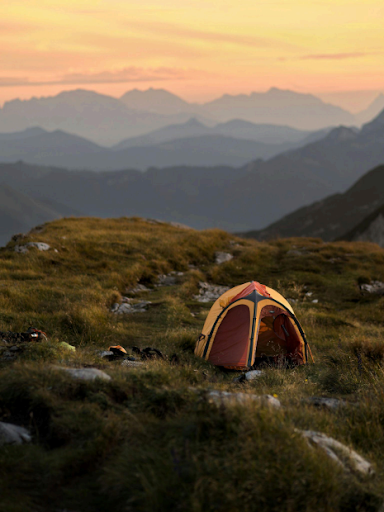
Eight out of ten tents sold today are 3-season models, and for good reason. They handle the widest range of real-world conditions most of us actually face.
Compared to 2-season tents, a full rainfly drops lower—often all the way to within a few inches of the ground. Mesh is still plentiful for warm nights, but solid fabric panels block wind and spray. The poles for these tents are thicker and add crossover sections for rigidity. Fabrics range from 20–30D ripstop nylon or polyester, with floors increasing to 40–70D for added durability.
The payoff is impressive. These tents stand firm in 40 mph gusts, stay dry through days of steady rain, and can usually support a few inches of wet snow if you clear it occasionally. A solid two-person freestanding 3-season tent weighs
4–7 pounds, though cutting-edge ultralight versions now drop below three pounds with premium materials.
Compromises remain. Hot, still nights can turn the interior into a sauna if you don’t open every vent. Packed size and cost both rise noticeably. Still, for the majority of backpackers, car campers, and weekend warriors, a good 3-season tent is the only shelter you’ll ever need.
Best uses: spring through fall backpacking, most national park trips, any outing where occasional snow or strong wind is possible but not guaranteed.
4-Season Tents: Built to Endure the Worst
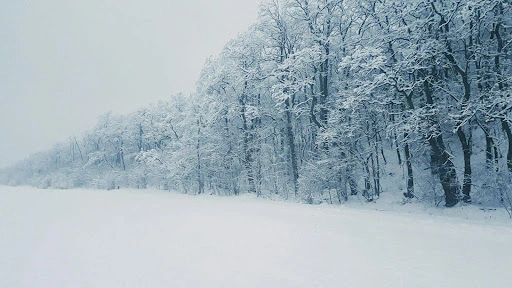
Head above the treeline in winter. Winds scream past 60 mph. Fine spindrift blasts sideways like sand. Snow accumulates by the inch per hour. This is the environment that separates true 4-season tents from everything else.
Every component gets reinforced. Pole count and diameter increase dramatically—often eight or more segments linked by hubs. Canopy fabrics move to 30–40D, floors to 70D or heavier. The rainfly reaches the ground on all sides and adds snow flaps along the edges. Doors use heavy-duty zippers backed by wide storm flaps. Extra guy-out points appear everywhere. Many models include fabric valances you bury under snow to stop drifting powder.
Ventilation becomes secondary. Too much mesh would ice over instantly. Designers use small, closable panels and high rooftop vents instead.
Weight reflects the bombproof approach. A legitimate two-person 4-season tent rarely weighs under six pounds; eight or nine is common. Packed size is large. Prices begin around $500 and quickly climb past four figures for the best expedition models.
When the weather turns truly hostile, though, that weight suddenly feels justified. These tents have withstood triple-digit winds on the planet’s most serious high peaks and polar plateaus. A good one lets you brew coffee and sleep soundly while the storm rages outside.
Best uses: mountaineering, dedicated winter camping, high-altitude treks, any trip where heavy snow loading or extreme wind is expected.
The Gray Areas and Marketing Tricks
However, the lines can blur in the real world. “3.5-season” designs exist. These are strong pole sets paired with somewhat lighter fabrics. Clever ultralight hikers take regular 3-season tents into shoulder-season snow with careful site selection and extra guylines. Convertible 4-season models let you remove inner panels for warmer weather.
Marketing can mislead. A tent called “4-season” simply because it has a full-coverage fly and limited mesh may still collapse under real snow weight. Genuine 4-season performance comes from rigorous high-altitude testing, not just brochure claims.
How to Choose Yours
Answer three straightforward questions:
- What is the worst weather I’m realistically likely to encounter? 2. How much weight am I willing (and able) to carry?
- What is my budget?
If your adventures stay between May and September and rarely top 8,000 feet, a quality 3-season tent will serve you faithfully for years. Save 2-season tents for guaranteed fair weather or gram-counting pursuits. Break out the 4-season fortress only when the conditions, or the mountain, demand it.
The right tent doesn’t create the adventure. It simply refuses to end it early. Match the shelter to your actual plans, not your wildest daydreams, and every night outdoors will feel exactly right.