Winter’s got a way of mellowing out the landscape. The snow quiets everything down, trails are deserted, and the forests can feel downright sleepy. But don’t be fooled – beneath the surface, in hollow trees, and along the ridgelines, wildlife is still very much alive, working twice as hard as in any other season just to stay alive. If you’re an outdoor nut, winter offers a rare chance to get up close and personal with nature in all its raw, rugged glory – but with that comes a heightened sense of responsibility.
Unlike spring or summer, when wildlife can usually take a few wrong turns and still make out okay, winter’s a whole different ball game. Food’s scarce, the temperatures are brutal, and every calorie counts. One single false move – like stepping too close to a startled animal – can mean the difference between making it through the season or not. Learning how wildlife behaves in winter, how to handle encounters with some wary critters, and how to observe without spooking them is key to having a wild adventure without causing any harm.
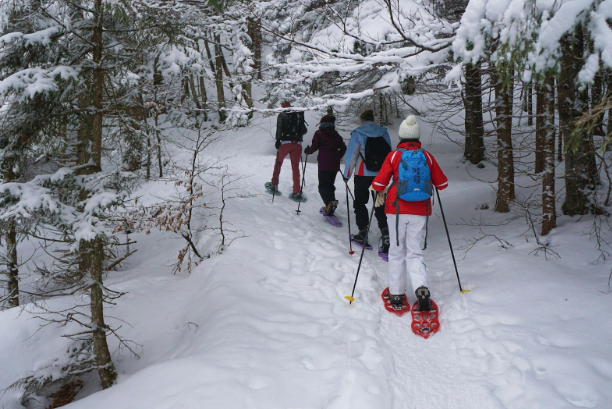
Before you even lace up your snowshoes, a bit of wildlife awareness can go a long way – for your safety, and for the critters that are sharing the cold with you.
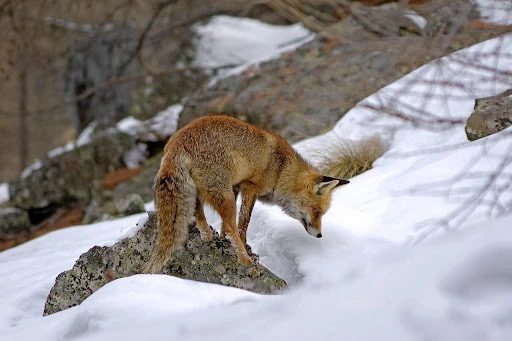
Table of Contents
How Wildlife Cope with Winter’s Harsh Conditions
Winter survival is all about energy management and different species have come up with some pretty nifty strategies to make it through the cold, snowy slog.
Some animals really do go into hibernation, slowing down their heart rate, breathing, and metabolism to the point where it’s like they’re in suspended animation. Ground squirrels and marmots might sleep for months at a time, surviving on stored fat. And bears? Yeah, they don’t really hibernate either – they just enter a lighter state called torpor, kind of like a deep nap that lasts until spring.
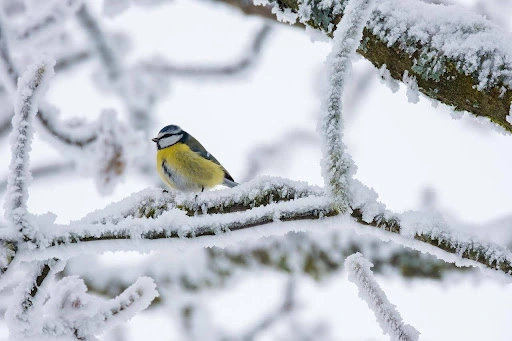
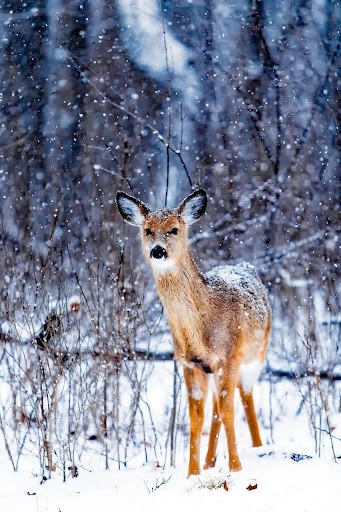
Other species pack up and move to warmer climes. Many songbirds fly south, while elk and deer head down to lower elevations where things are a little more tolerable. But not all animals can make that trip – those that stay rely on adaptations like squirrels storing food, or deer eating twigs when all the grass is gone.
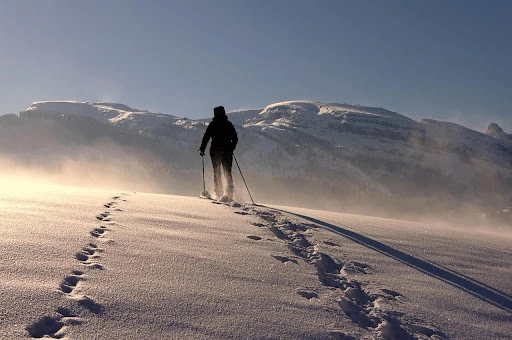
Energy conservation is the name of the game for animals in winter, and every decision they make is guided by that simple principle. They’ll minimize their movement, choose their routes carefully, and adjust their daily routines to fit the dodgier weather. And if you keep your eyes peeled, you can find all sorts of hidden clues to the wildlife’s activities, even when they’re nowhere to be seen. Fresh tracks in the snow, gnawed bark, and worn-out game trails all tell stories about the critters that live there.
Staying Safe When You Meet Up with Wildlife in Winter
Winter’s got a way of forcing humans and wildlife onto the same turf – and that can be a real problem, especially when resources are scarce. Packed trails, frozen waterways, and sun-exposed slopes can all become shared paths, and encounters might be less frequent, but they can be way more serious.
The key is to keep your distance – at least 25 yards from most wildlife, and at least 100 yards from the big guys like moose or elk. Pushing an animal to flee through deep snow can be a real problem, because they can’t afford to lose their energy. And you can predict when an animal’s getting stressed – its body language gives it away in all sorts of ways, from stomping its hooves to staring at you with a fixed gaze.
If you find yourself face-to-face with a wild animal, stay calm, take a deep breath, and give it some space. If you’re feeling too close for comfort, back off slowly while keeping the animal in view, and never, ever chase it. In areas with predators around, standing up straight and keeping your wits about you can help de-escalate the situation – but running around like a headless chicken is only going to make things worse.
And one more thing: keep your dog on a leash, especially in winter landscapes. A rambunctious pet can spook a critter into flight, or chase them into deep snow where they can get really hurt.
Responsible and Ethical Wildlife Viewing in Winter
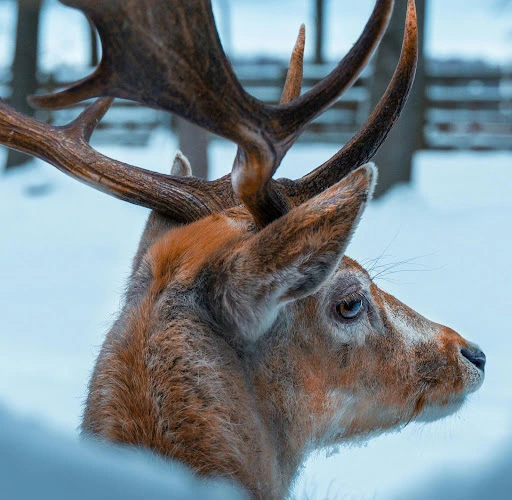
Winter’s the most critical time for wildlife viewing, because animals are operating on a pretty thin energy margin – and any sort of disturbance can have some serious consequences.
Feeding wildlife, no matter how well-meaning, is a bad idea. It messes up their natural foraging patterns, spreads disease, and gets animals hooked on the idea that humans are a reliable food source. That often leads to some pretty serious conflicts, and in many cases, the animals get removed or destroyed because they’ve become too tame.
The best approach is to watch from a distance – binoculars, spotter scopes, and camera lenses can get you a great view of wildlife without getting them too stressed out. Here’s a simple rule of thumb: if an animal changes its behaviour because of your presence, you’re too close. Certain winter habitats need some extra care – many animals rely on specific areas called winter range, where conditions are just about right for survival. If you start messing around with those areas, you can force them to move, and that takes a lot of energy they don’t have to spare.
Final Thoughts
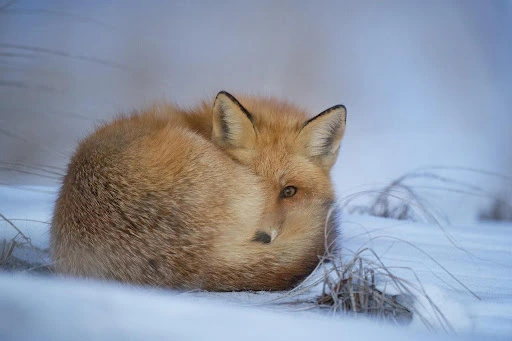
Figuring out how to read the signs in the tracks and the habitat, and knowing when to give wildlife some space, all helps to build a deeper connection with nature. Every time you make an informed decision you’re not just having a great time, you’re also helping wildlife make it through the toughest time of year.
And as you head out into the snowy wilderness, remember that the beauty of winter is inextricably linked with the animals ability to just keep on going. How we travel through these landscapes matters, even when it feels like we’re the only ones who are paying any attention.