Spring is one of the most underrated times to go camping. The crowds haven’t fully returned, the air feels fresh in a way that’s hard to replicate later in the season, and the landscape is waking up-sometimes slowly, sometimes all at once. It’s a quieter, more reflective version of the outdoors.
But spring camping also comes with its own set of challenges. Conditions can shift quickly. A warm afternoon can give way to a cold, damp night, and trails that look dry at first glance can turn muddy within a few steps. Preparing for those variables isn’t overkill-it’s what makes the difference between a great trip and a frustrating one.
If you plan for the unpredictability, spring can easily become your favorite season to camp.
Table of Contents
What to Expect When Camping in Spring
The defining characteristic of spring camping is variability. It rarely settles into one consistent pattern, which means you need to think in terms of ranges rather than absolutes.
Weather is the biggest factor. You might experience sunshine, wind, rain, and near-freezing temperatures all within the same 24-hour period. Even when daytime conditions feel comfortable, temperatures can drop significantly after sunset. It’s not uncommon to wake up to frost after a mild evening.
Ground conditions are another consideration. Snowmelt and seasonal rain often leave campsites and trails soft, damp, or muddy. This affects everything from where you pitch your tent to how dry your gear stays overnight.
Early in the season, you’ll benefit from fewer bugs and quieter campsites. As spring progresses, insects begin to emerge, and popular areas start to fill up again. Timing your trip-even by a few weeks-can noticeably change your experience.
The key takeaway is simple: expect a mix of conditions, and prepare for the less comfortable end of that spectrum.
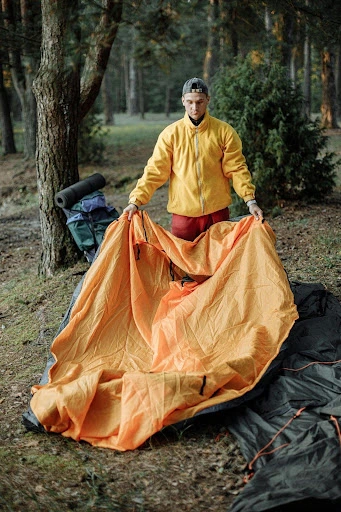
Spring Camping Gear Checklist
A solid spring camping setup is less about packing more and more about packing intentionally. Each item should help you stay warm, dry, and adaptable.
Shelter & Sleep
- 3-season tent with a full rainfly
- Ground tarp or footprint (to protect against moisture)
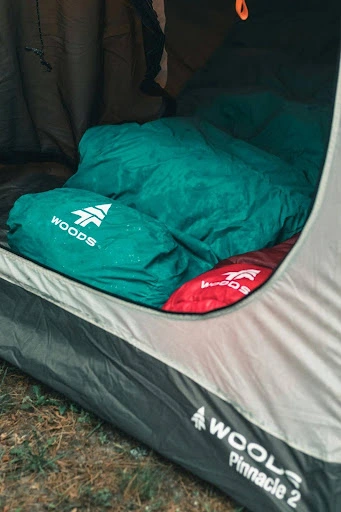
- Sleeping bag rated for colder temperatures than expected
- Sleeping pad (insulation from cold, wet ground is essential)
Clothing (Layering is Key)
- Moisture-wicking base layers
- Insulating mid-layer (fleece or down)
- Waterproof and windproof jacket
- Extra socks (wet feet are almost inevitable)
- Hat and gloves for colder mornings and evenings
Cooking & Food
- Camp stove and fuel (don’t rely on wet firewood)
- Simple, warm meals (dehydrated meals, soups, oatmeal)
- Insulated mug or bottle
- Extra snacks (your body burns more energy staying warm)
Rain & Mud Essentials
- Waterproof boots or trail shoes
- Gaiters (optional, but helpful in muddy or slushy terrain)
- Pack cover or dry bags
- Small towel or cloth for drying gear or hands
Safety & Extras
- Headlamp with extra batteries
- First aid kit
- Map, compass, or GPS device
- Fire starter (waterproof matches or lighter)
- Trash bags (useful for both waste and protecting gear)
Final Thoughts
Spring camping asks a little more of you than summer, but it gives something back in return. The quieter trails, the shifting weather, and the sense that the season is just beginning-it all adds up to a different kind of experience.
With the right gear and a bit of preparation, those challenges become part of the appeal rather than obstacles. Plan well, pack smart, and spring might end up being the trip you look forward to most each year.