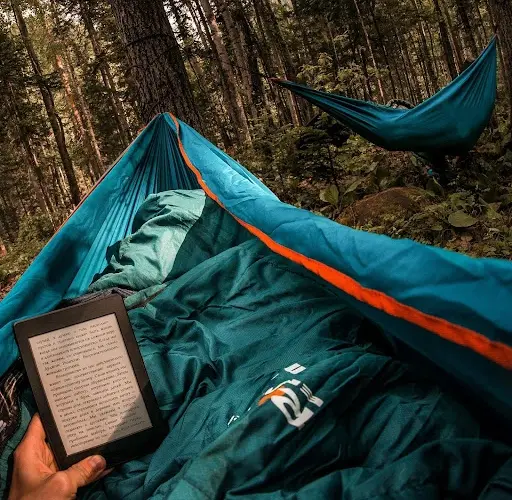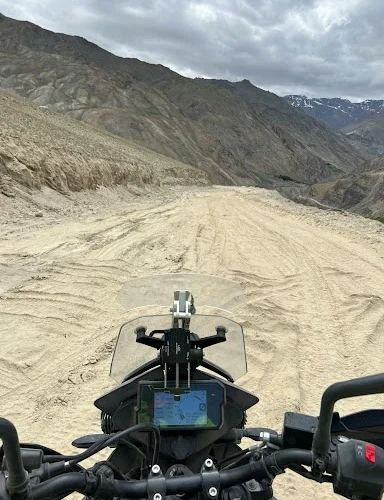
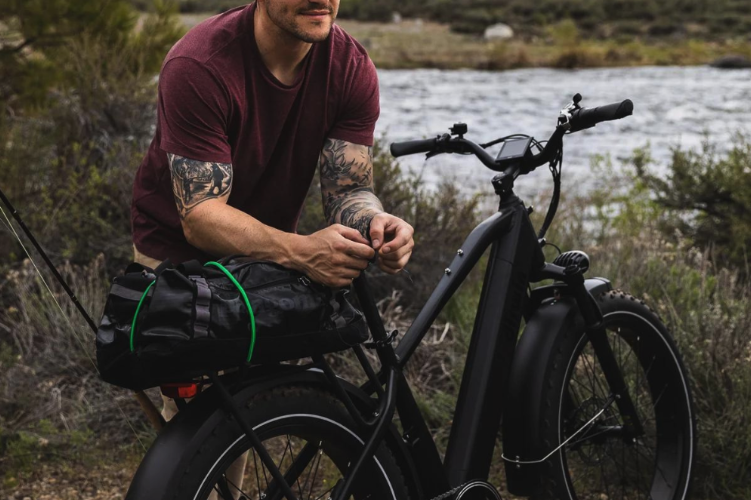
Bike camping sounds more involved than it is. Most people picture fully loaded touring cyclists grinding out fifty mile days between remote campsites, and that image puts them off before they ever give it a try. The reality is that bike camping can be as simple as strapping a bag to your bike, riding to a campsite an hour from home, and spending a night outside. That is it. That is the whole concept.
If you have a bike, some basic camping gear, and a campsite within reasonable riding distance, you are closer to your first bike camping trip than you probably think.
Table of Contents
What Bike Camping Actually Looks Like
Bike camping sits somewhere between car camping and backpacking. You are not driving to your site and unloading a trunk full of gear, but you are also not counting every gram the way a serious backpacker might. You are carrying what fits on your bike, riding to your destination, and camping when you get there.
Trips can be as short as a single overnight or as long as several weeks. Routes can follow quiet back roads, dedicated cycling paths, or a mix of both. Some people ride to a single campsite and use it as a base. Others move from site to site over multiple days. The format is flexible and entirely up to you.
What makes bike camping distinct is the weight and space constraint. Everything you bring needs to fit on the bike and not make the ride miserable. That constraint forces a kind of simplicity that most campers find genuinely refreshing once they get used to it.
What Bike You Actually Need
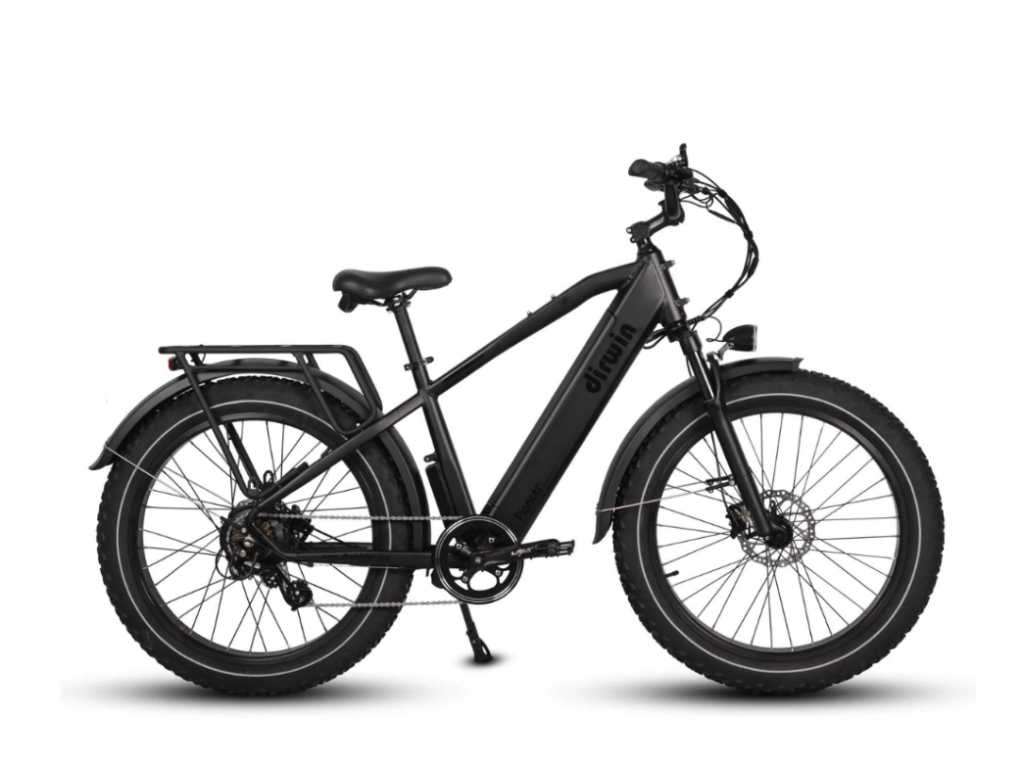
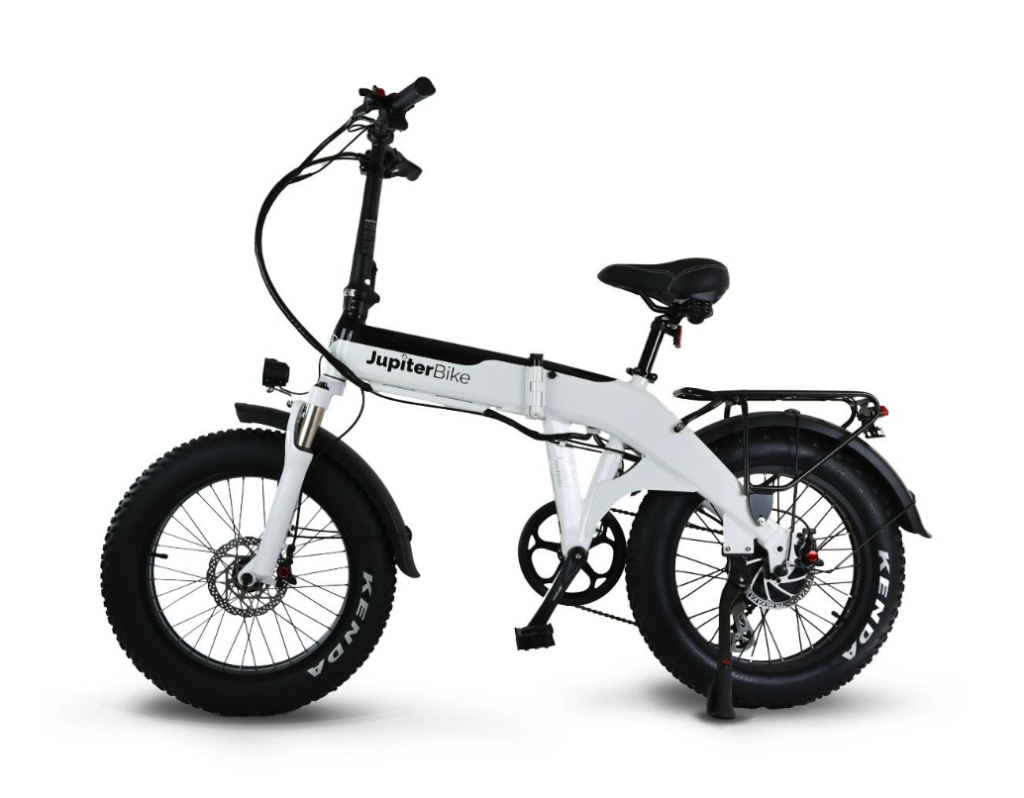
You do not need a dedicated touring bike to get started. A hybrid, a gravel bike, a mountain bike, or even a sturdy commuter will work fine for beginner trips on paved or well-maintained surfaces. What matters more than bike type is that your bike is in good mechanical condition and has attachment points for bags or a rack.
Drop handlebars and skinny road bike tires are the one combination worth avoiding for loaded riding. Road bikes are not built for the handling demands of a loaded bike on varied terrain, and the riding position gets uncomfortable over longer distances with weight on board.
For your first few trips, ride what you have. Upgrade later if you find yourself wanting to do more of it.
How to Carry Your Gear
This is where most beginners spend too much time overthinking things. There are a few basic options and none of them require a significant investment to get started.
A rear rack with panniers is the most stable and practical setup for beginners. Panniers clip onto the sides of the rack and give you a large, organized carrying capacity without affecting your handling much. Rear panniers alone are enough for most overnight and weekend trips.
Frame bags fit inside the triangle of your bike frame and are good for heavier items like tools, food, and water. They keep weight low and central, which helps with handling on a loaded bike.
A handlebar bag or a small drybag strapped to your handlebars works well for things you want quick access to: snacks, a rain jacket, your phone, a map. Keep it light. Too much weight up front makes steering sluggish.
A seat bag attaches under your saddle and is useful for tools, a spare tube, and small items you do not need during the ride. Most cyclists already have one of these.
You do not need all of these at once. A rear rack and a pair of panniers will get you started and handle most of what a beginner trip requires.
What to Pack
The packing list for bike camping is not dramatically different from a regular overnight camping trip. The difference is editing ruthlessly for weight and bulk.
Shelter is the biggest item. A lightweight tent or a tarp shelter is worth the investment if you plan to bike camp more than once. Bulky car camping tents are technically packable but make your load awkward and heavy. A freestanding tent in the two kilogram range is a reasonable target for beginners.
Your sleep system needs to match the conditions you are camping in. A sleeping bag and a sleeping pad rated for the temperatures you expect is the starting point. Inflatable sleeping pads pack down small and are worth choosing over foam for bike camping specifically.
Clothing for bike camping follows a simple rule: bring less than you think you need. Two days of riding clothes, one set of camp clothes, a warm layer, and a rain jacket covers most situations. Everything should be able to be worn in multiple combinations.
Food and cooking is where you have the most flexibility. A small canister stove, a lightweight pot, and simple meals cover you well. Alternatively, plan your route around towns or convenience stores and skip the cook system entirely on shorter trips. It is a legitimate strategy and it simplifies your load significantly.
Tools and bike maintenance basics should always come along. A spare tube, a patch kit, a multi-tool, a pump, and tire levers are the minimum. A broken bike with no tools is a much bigger problem on a bike camping trip than a forgotten camp item.
Planning Your First Trip
Keep your first trip short and close to home. A campsite thirty to fifty kilometres away gives you enough riding to feel like an adventure without putting you so far out that a problem becomes a serious situation. One night is plenty to figure out what works, what you forgot, and what you will do differently next time.
Check your route in advance. Look for bike-friendly roads with low traffic, reasonable surface conditions, and a manageable elevation profile for a loaded bike. Many provincial parks in Ontario have campsite options within easy riding distance of populated areas, which makes them a practical starting point.
Tell someone your route and expected arrival time before you leave.
Just Go
The first bike camping trip is always the hardest one to organize because everything is unfamiliar. The gear decisions feel high stakes, the route feels uncertain, and the whole thing feels more complicated than it probably needs to be.
It is not. Load up your bike, pick a campsite, and ride there. You will figure out the details along the way, and the next trip will be easier for having done it. That is how most bike campers got started, and it works every time. Shop ebikes on Everest today!