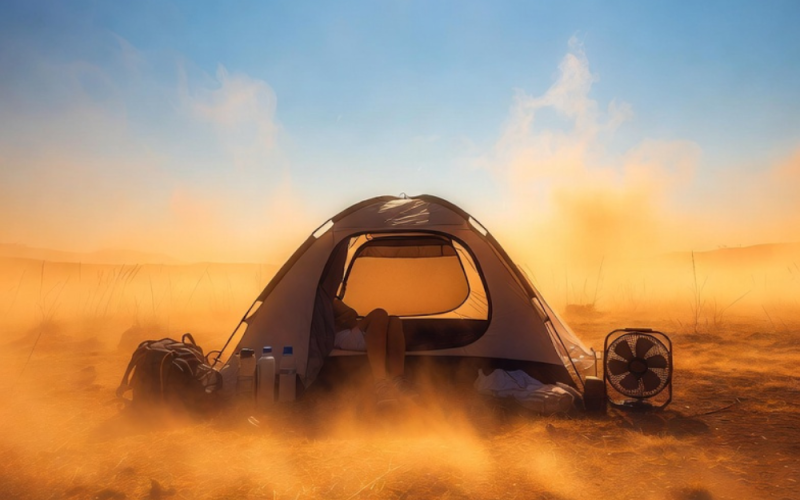
I once camped at 106 degrees on a forest road with no shade, no water source nearby, and a bug mesh tent that was doing absolutely nothing to slow down the heat. The sun was beating directly onto the shelter and by mid-morning it felt less like camping and more like a punishment. I ended up throwing a brown tarp over one side to block out the sun and make the inside survivable.
A heat wave changes camping in ways that a hot day doesn’t. The heat is persistent, it builds on itself, and it doesn’t really let up at night the way a normal summer evening does. If you’re heading out during one, or you get caught in one mid-trip, the approach needs to shift pretty significantly from what you’d normally do. Here’s what I’ve learned works.
Table of Contents
Heat Stroke Is Real and It Sneaks Up on You
Before anything else, this needs to be said: heat stroke is not something that happens to other people. It happens when you’ve been in sustained heat long enough that your body loses its ability to regulate temperature, and the warning signs are easy to miss because one of the symptoms is impaired judgment.
Extended sun exposure doesn’t just make you hot. It makes you lethargic, it bakes your skin, and after a few days it starts to show up as peeling and fatigue that goes deeper than just being tired. The sleepiness that hits in extreme heat isn’t your body asking for a nap. It’s a signal worth paying attention to. During a heat wave at camp, shade and hydration aren’t comfort items. They’re the whole game.
Not drinking enough water is the most common mistake, and the tricky part is that thirst is a lagging indicator. By the time you feel thirsty in serious heat, you’re already behind. Drink consistently throughout the day, and add electrolytes. Plain water doesn’t replace what you lose through sweat, which is why headaches and that heavy, foggy feeling show up even when people think they’ve been drinking plenty.
Your Shelter Setup Needs to Change
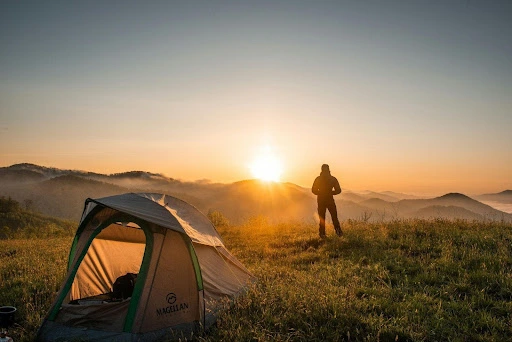
If conditions are clear and the bug pressure allows it, skip the tent entirely and sleep on a cot or pad in the open air. Or use a hammock. Hammock sleeping in a heat wave is a completely different experience than ground camping because you get airflow from underneath you as well, which is where body heat pools when you’re lying on a pad. Shade and airflow are everything in a hammock setup, and in a real heat wave they’re worth prioritizing over almost any other consideration.
Tent orientation matters too. Face your doors and vestibule panels toward whatever breeze exists, even if it means rotating your whole setup. Cross-ventilation, air moving in one side and out the other, is the difference between a tent that breathes and one that bakes.
The Low-Tech Cooling Tricks That Hold Up
A cooling cloth on the back of the neck works better than most people expect. It sounds like a minor thing until you’re in 40-degree heat and you feel the difference immediately. The back of the neck, wrists, and ankles are all spots where blood runs close to the surface, and cooling them pulls your core temperature down faster than you’d think.
A spray bottle with a fine mist nozzle is something I’d put in the same category: simple, cheap, and genuinely effective. Keep it in the shade so the water stays cool and use it throughout the day. Combined with any moving air at all, even a light breeze, the evaporative effect is noticeable.
A small battery-powered fan is something I have specifically for sleep. The heat doesn’t drop the way it normally would overnight, and even a bit of moving air makes a real difference when you’re trying to get rest.
Rethink How You Move Through the Day
In a heat wave, the window for doing anything active narrows significantly. The hours between noon and late afternoon are genuinely not the time to hike, explore, or cook over an open fire. They’re the time to find the deepest shade available and stay in it.
Shift everything to the morning and evening. Get moving early, before the heat builds, and save cooking and campfire time for after the sun drops. This isn’t just about comfort. In a real heat wave, pushing through the peak hours takes a physical toll that compounds over multiple days, and by day three of a trip you’ll feel it in a way that’s hard to recover from at camp.
The middle of the day is for reading, resting, and doing as little as possible. That’s not a failure of the trip. That’s the trip.
Site Selection When You Have Options
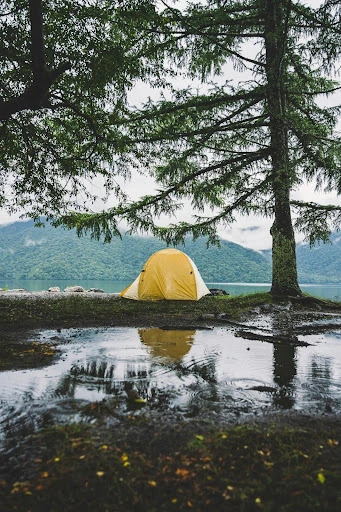
The forest road situation taught me that site selection in a heat wave matters more than almost any other decision you’ll make. When you have a choice, look for afternoon shade first. A site that’s shaded in the morning can be fully exposed by 1pm when the sun has shifted, so look for protection from the west, not just from above.
Proximity to water is the other major factor. A campsite near a lake, river, or creek runs cooler than one set back from any water source, and having somewhere to wade or swim changes the experience of a hot day entirely. If you can get your feet in cold water for ten minutes in the afternoon, that alone does more than most gear ever could.
A natural breeze corridor is worth seeking out too. A clearing between tree lines that funnels moving air through your site is something you’ll appreciate every hour of a heat wave, especially at night.
Camping in a heat wave is manageable. It just requires taking the heat seriously in a way that a normal summer trip doesn’t. The tarp over the tent, the spray bottle, the small fan, the early mornings and long slow afternoons in the shade: none of it is complicated. But skipping those things, or underestimating what sustained heat does to your body over a few days, is where trips go sideways. Respect the conditions and there’s still a genuinely good trip there.