Every camper eventually runs into this problem. You are a few days into a trip, the cooler ice melted faster than expected, and you are staring at a block of cheese wondering if it is still good. I have been there more times than I would like to admit, and over the years I have picked up a handful of methods that actually help. None of them are magic though, and I want to be upfront about that before we get into it.
These methods delay spoilage. They do not stop it. Food left out in summer heat is going to go bad eventually no matter what clever trick you use, and if you leave something too long, no creek or shady hole is saving it. Same goes for animals. A sealed container sitting in a creek looks secure until a raccoon decides otherwise. Keep that in mind as you go through this, cause the goal here is buying time and staying safer, not pretending you have built a fridge in the woods.
Table of Contents
When in doubt, stash it in a creek
Sealed containers submerged in a cold creek or river work better than most people expect. Moving water stays consistently cooler than the air temperature, especially in shaded sections, and the constant flow keeps pulling heat away from the container. I do this often and it is one of my go-to methods on trips near water.
The catch is security. Weigh your containers down or anchor them somehow, because a loose container in moving water has a way of drifting off when you are not watching. And check on it. A container that tips over or springs a leak defeats the whole point, and you will not know until you go looking for lunch.
Buried storage works, but only sometimes
Digging a hole in a shaded spot and burying your food, sealed in a container, is a solid method. Ground temperature a foot or two down stays noticeably cooler than the air above, even on a hot day. I have done this plenty of times and it works.
Where it falls short is soil type and depth. Sandy, loose soil does not hold cold the way dense, packed earth does, so results vary depending on where you are camping. And shallow holes barely help at all. If you are only digging down six inches, you are not getting much benefit. Go deeper if you can, and always mark the spot clearly so you are not digging up half the campsite trying to remember where you buried the bacon.
Evaporative cooling is underrated
Wrapping a container in a wet towel or cloth and setting it somewhere shaded with airflow pulls heat out as the water evaporates. This is the same basic principle behind old-school butter keepers and pot-in-pot coolers people used before refrigeration existed at all.
It works better in dry heat than humid conditions, since evaporation slows down when the air is already saturated with moisture. On a humid summer day this method is going to underperform compared to a dry, breezy one. Worth doing, just do not expect miracles if the air feels like soup.
Frozen water jugs beat bagged ice
If you are bringing a cooler at all, freeze large jugs of water before you leave instead of buying bagged ice. They melt slower because there is less surface area exposed relative to the volume, which means your cooler stays cold longer. And once they thaw you have drinking water instead of a soggy mess at the bottom of the cooler. I switched to this a while back and have not gone back to bagged ice since.
Small habits that actually matter
Pack your cooler in the order you plan to use things and try to limit how often you open it. Every time that lid comes up, cold air escapes and warm air rushes in to replace it. It sounds like a small thing, but over a multi-day trip it adds up to a real difference in how long your food stays cold.
Reflective tarps help, but only if you set them up right
A reflective tarp or emergency blanket over your cooler can reduce how much heat it absorbs from direct sun, but only if you rig it with a gap underneath rather than laying it flat on top. Direct contact lets heat pass straight through the material, which cancels out most of the benefit. Prop it up with sticks or anything that creates airflow between the tarp and the cooler. It is a nice addition to the other methods on this list, not something to rely on by itself.
The wildlife obstacle
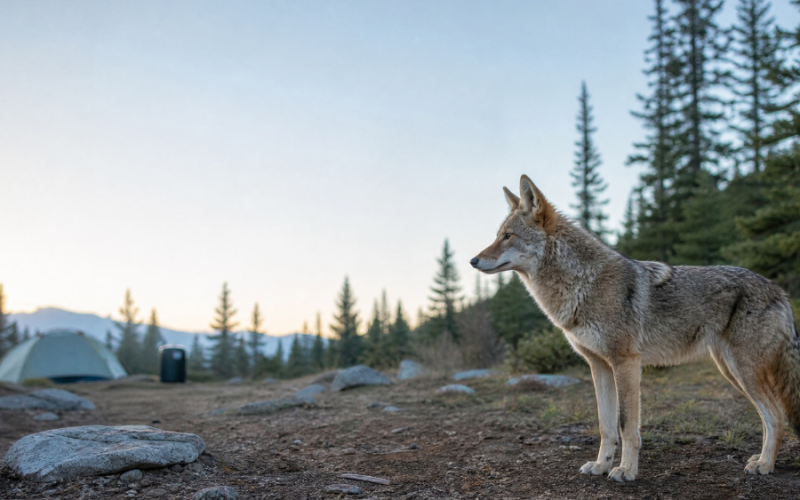
Every method here assumes your food is protected from wildlife, and that is not automatic. A sealed container in a creek or a buried stash still smells like food to a raccoon, a bear, or anything else with a decent nose. Bury or submerge food away from your sleeping area, use containers that seal well, and do not assume that hiding food equals protecting it. If you are in bear country, none of these methods replace proper food storage protocols, and I would treat that as a separate and more serious conversation entirely.
Know when to just let it go
If meat, dairy, or anything perishable has been sitting out in summer heat for an extended period, even with one of these methods in play, trust your instincts and your nose over wishful thinking. Spoiled food is not worth the trip home early with a stomach bug. These tricks buy you time, sometimes a meaningful amount of it, but they are not a substitute for planning your trip length around what you can realistically keep safe to eat.
Use these methods to stretch your food a little further and take some pressure off your cooler. Just do not treat them as a guarantee. Camping food safety is still mostly about good judgment, and no creek, hole, or wet towel changes that.