There’s something truly unforgettable about waking up on the coast. Before you even crack open your eyes, you’re greeted by the soothing sound of the waves rolling in. The air’s crisp and salty, and as the sky begins to light up, your tent’s suddenly glowing with the warmth of the rising sun. Beach camping has this amazing quality of calm – it’s peaceful, yet never dull.
At its core, beach camping’s all about spending a night or two along the shoreline – either in a designated campsite or (where it’s allowed) in some more remote, rugged spot. It’s perfect for those who want the beauty of the ocean right at their feet, but still crave the thrill of sleeping under the stars. Just remember, though – beach camping’s a whole different beast from camping in the woods. The sand shifts beneath your feet, the wind can pick up in a heartbeat, and the tides don’t care whether your tent is in the way.
Which is exactly why planning, packing the right gear, and knowing your safety habits is crucial. With the right prep, beach camping can go from a frustrating slog to a trip you’ll be raving about for years.
Table of Contents
The Benefits of Beach Camping
Beach camping has a way of resetting your body and mind in a way that’s hard to find anywhere else. The constant sound of the surf helps to take the edge off for many people, and a day spent outside naturally gets you moving, soaking up the sun, and breathing in that fresh air. It’s a simple, beautiful rhythm – waking with the dawn, swimming when the sun’s up, cooking dinner under the stars, and drifting off to sleep to the sound of the tide.
Compared to forest or mountain camping, beach camping tends to feel more open and sensory, too. You can swim, paddle, fish, or just go for a walk along the beach for miles. At night, when you’re far from city lights, the stars can feel like they’re within reach.
Even the sea air seems to have some kind of magic quality to it – many folks describe it as calming, clear, and restorative. Whether it’s the negative ions, the views, or just pure exhaustion, the upshot is the same – you feel a whole lot better.
Planning Your Beach Camping Trip
The key to a great beach camping trip is getting planning right from the start. First things first: check what’s allowed where you’re going. Some beaches are only open to overnight camping in designated areas, while others ban it outright to protect wildlife, dunes, or private property.
National parks, marine reserves and coastal preserves usually require permits, and the rules can vary wildly depending on where you are in the world. In the States, many public beaches are tightly managed, while in some parts of Europe, access laws can differ from one region to the next. Don’t assume just because a stretch of sand looks quiet that it’s fair game – do your research.
Once you know where camping’s allowed, pick your spot carefully. Accessibility is a bigger deal than you might think – a remote beach might look perfect online, but hauling all your gear across soft sand can be a real challenge. Read reviews, study the map, and check the tide charts before you commit to a site. You want a spot that’s beautiful, not a recipe for disaster.
Timing makes a huge difference, too. Shoulder seasons are often the way to go – fewer crowds and milder weather all round. Mid-summer can mean packed beaches, scorching heat, and not a lot of shade to speak of. And then there’s storm season, which is, well, its own special brand of fun. Keep a close eye on the forecasts, especially when it comes to wind speeds, rain, surf conditions, and heat advisories.
And then there’s the practical side of things – budget for permits, fuel, food, ice, and any gear you need to rent or replace. And build an emergency plan, too – know the nearest road access point, ranger station or medical facility. Beach camping can feel wonderfully isolated – and sometimes, it actually is.

Essential Gear & Packing Tips
When it comes to gear for the beach, it’s all about matching your kit to the environment. Start with shelter – a lightweight tent is a good idea, but only if it can handle the wind and be anchored in the sand. Regular stakes often fail on loose ground, so pack some sand stakes, sturdy guylines or stuff sacks you can fill and bury as anchors. Some campers swear by hammocks if there are suitable supports nearby, while minimalists might choose a bivvy bag for short, fair-weather trips.
Clothing is more important than you might think – beaches can be scorching hot in the day and surprisingly chilly after sunset. Bring quick-dry layers, a warm top for evening, and a hat that won’t get blown away by the first gust of wind. Sunglasses, sunscreen, and insect repellent are must-haves, and don’t forget dry bags or waterproof pouches to keep your electronics, food, or spare clothes dry in the face of salt spray and damp air.
For cooking, keep it simple – a compact camp stove is usually more reliable than building a fire, and it’s often the safer choice. Bring more fresh water than you think you’ll need – even if a map shows a freshwater source nearby, don’t count on it unless you’re 100% sure it’s safe and flowing. And in hot weather, a cooler can be a lifesaver, but remember that ice melts fast under direct sun.
Get the basics right with a headlamp, compass or GPS, a first aid kit & a repair kit for tent fabric, poles, or air mattresses. And don’t forget to pack some extras for beach injuries – blister care, antiseptic wipes, tweezers for those pesky splinters or shells, and aloe vera for when the sun gets to you. Pack up with a bit of discipline – less stuff, less hassle.
Setting Up Your Beach Campsite
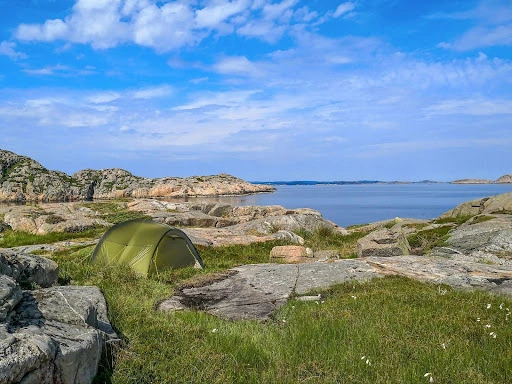
Where you set up camp on the beach is just as important as what you bring. Look for a spot just above the high tide line – and keep an eye out for clues in the landscape. Look for wrack lines – wet patches of sand & scattered debris that’ll give you an idea of where the water used to be. You can also get a hint from the dunes & vegetation – just be sure to steer clear of the dunes themselves – they’re fragile & often protected.
When you pitch your tent, make sure to think about the wind direction. Face the narrow side into the gusts, use some longer guylines, and make sure everythings tied down securely. When setting up on sand, buried bags filled with sand actually make for better anchors than the standard stakes. It does take a bit more effort, but it’s worth it in the end.
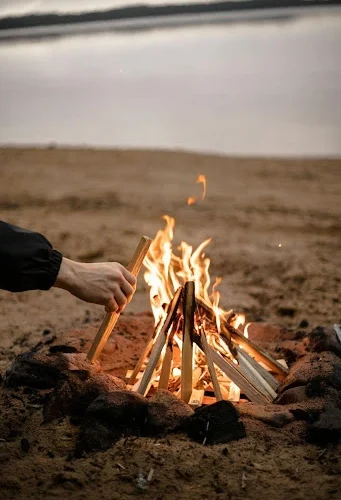
Make your camp layout pretty sensible. Keep the cooking area away from where you’re going to be sleeping. If there’s not much natural shade about, set up a tarp to give yourself some protection. If you are allowed to have a fire, keep it small, under control, and away from any grass or driftwood piles. A lot of beach campers find themselves settling into a pretty simple routine: go exploring during the day, then come back in the evening to cook up some dinner, watch the sunset, and just enjoy the night.
It’s not all sunshine & rainbows, of course. Wind can shift, sand gets everywhere, and sometimes it’s downright miserable. But – it’s hard to find a campsite with a view to beat the beach
Safety Considerations and Best Practices
Camping on the beach demands your attention. Conditions can change in the blink of an eye, and small mistakes can quickly turn into big ones when you’re right on the coast. Keep an eye on the weather through the whole trip, not just before you set off. Fog can roll in without warning, wind can pick up by the hour, and storms can turn a simple overnighter into a mad dash for the exit. Know your way out, and make sure you’re ready to use it if you need to.
Watch out for wildlife, too – and all the smaller health hazards that come with it. Jellyfish, biting insects, aggressive seagulls, & curious crabs can all be a problem. Clean up any cuts or scrapes right away – especially if theyre from shells or rocks – because salt water, sand, & heat dont exactly make for a speedy recovery. Keep your food covered, wash your hands before you eat, and do what you can to keep sand out of your cooking gear.
Personal security matters too, especially on remote beaches. Camp with a buddy or a group when you can, keep any valuables out of sight, & let someone back home know exactly where you’re headed. If you’re in an isolated spot, having a satellite communicator or emergency beacon can be a real comfort.
Conclusion
Camping on the beach can be an absolute delight – one of the best ways to spend a night under the stars. With a bit of prep & some common sense, it becomes more about enjoying the view & the experience, rather than fighting the elements. Start small, camp responsibly, and learn as you go. Then plan that first seaside trip and see what the coast has been waiting to show you