You’re wandering down a quiet trail , the kind where the forest is so still you can practically hear the crunch of your boots on gravel & dry leaves. Birds are flitting around above , the air is filled with the scent of pine, and for a moment it feels like you’re completely elsewhere.
Then you spot something out of place – maybe a crumpled up wrapper near the trail , or someone’s initials carved into a tree.
It doesn’t take much to totally ruin the vibe of a place like that.
When people go visit natural areas – even with the best of intentions, our actions always leave some sign of our presence, whether it’s obvious like trash , or more subtle – like trampled plants , or wildlife getting disturbed , or worn out trails. And over time those little impacts start adding up.
That’s why the Leave No Trace principles were created – to help people enjoy the great outdoors without slowly mucking it up in the process.
They were thought up by the Leave No Trace Center for Outdoor Ethics, and there are seven core ideas behind them. They apply whether you’re slipping out for a quick hike, camping for the weekend, or hiking for weeks on a long distance trail. And as more and more people get out there, following these principles goes a long way towards keeping the places we all love safe.
Table of Contents
Plan Ahead and Prepare
Sorting stuff out before you go out tends to make the whole experience a lot smoother.
When people head out with no plan they tend to run into problems pretty quickly. The weather might turn suddenly , or someone forgets to pack the essentials or underestimates the terrain. And as a result they make some pretty bad decisions that can do some real damage to the environment, cutting through vegetation, making new paths wherever they can, or setting up camp in some pretty poor location.
Planning ahead avoids all that.
Check the forecast before heading out, and find out what the trail conditions are like & whether the place you’re visiting requires some sort of permit. Some pretty popular spots, like the Grand Canyon or Pacific Crest Trail, have visitor limits and you need to make a reservation.
Be honest with yourself about what you can handle and how big your group is – a bigger group can really put an extra strain on trails and campsites, so a smaller group tends to leave a lot less of an impact.
Pack the basics – navigation tools , gear , food , and emergency supplies. But no need to overdo it. Being prepared doesn’t mean lugging all your worldly possessions around.
A bit of planning up front makes the whole trip a lot smoother and means you’re not putting unnecessary strain on the landscape.
Travel and Camp on Durable Surfaces
Where you walk is really important.
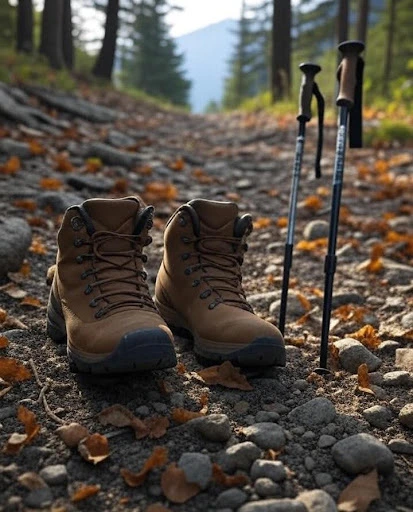
Trails aren’t just there for the sake of it, they’re there to keep all the foot traffic concentrated in one place. When people wander off course, even briefly, plants and soil that aren’t used to all that traffic can get damaged before you know it.
And on steep slopes erosion can start to become a problem. What starts out as a tiny little shortcut can end up being a permanent scar in the landscape.
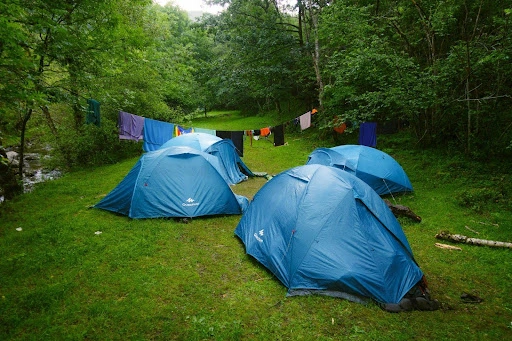
The same idea applies to campsites. Whenever you can use the ones that are already set up for you, with compacted soil – places like rock, gravel, dry grass or packed dirt handle being used better than the delicate undergrowth.
Camping at least 200 feet away from lakes and streams also helps to stop water sources getting contaminated.
If you’re out in a group on a narrow trail it’s best to walk single file so the trail doesn’t end up getting wider over time. And in areas where there’s no clear trail, like open rock fields or snow, it’s actually better to spread out a bit so one obvious path doesn’t form.
All these little choices help protect the fragile ecosystems that can take years to recover from damage.

Dispose of Waste Properly
One of the fastest ways to ruin a beautiful place is by leaving trash lying around.
The rule is simple: pack it in, pack it out. Whatever you bring with you should leave with you as well. That means food scraps, tissues, and all the little pieces of trash people often think will just ” break down “.
Even things like orange peels or apple cores take a long time to decompose in some environments.
Human waste requires a bit more effort. The standard practice is to dig a little hole about 6-8 inches deep, at least 200 feet away from water sources, campsites and trails. Then cover it properly.
In some pretty fragile areas: desert , alpine , or super popular parks – visitors are actually required to pack out waste in special bags.
And it’s the same deal with dishwater – carry it away from streams or lakes, strain out the food bits and scatter it across the ground. Even biodegradable soap can do some real damage to wildlife if it’s used directly in natural water sources.
It might feel like an extra hassle but these habits really do keep wilderness areas clean and healthy.
Leave What You Find
One of the best things about wild places is that they’re still pretty much unchanged.
It can be tempting to bring home some little memento from a hike: a unique rock, a feather, a flower. But removing natural things can have some pretty knock on effects, even though they might not be immediately obvious.
Flowers support pollinators and provide shelter for insects, and even fallen branches play a role in the environment. Historical artifacts should be left intact. Old tools, ruins, or other remnants tell a lot about the people who came before us.
Instead of collecting objects, take a snap or simply sit back and let the discovery sink in.
Building rock stacks or scratching names into trees might seem like it’s no big deal, but over time it leaves visible damage on the natural landscape.
Lets leave things just as we found them so that the experience stays the same for everyone who comes after us.
Minimize Campfire Impacts
Campfires are a big part of the outdoor experience. But they aren’t always the best idea.
Fires can destroy the soil, turn rocks black, and in dry conditions they can easily start a wildfire. In a lot of places, especially really popular backcountry spots, using a camp stove is actually preferred instead.
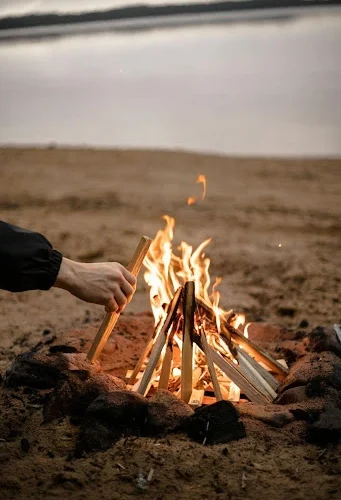
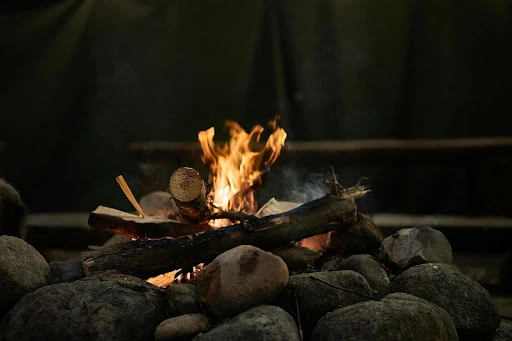
When fires are allowed, try and use one of the designed fire rings if you can. Keep the fire small and only burn the twigs that are already lying on the ground.
You shouldn’t break branches off living trees.
When you’re done, make sure to put the fire completely out. Douse it with water, then use a stick to mix up the ashes and do it all again until everything is cool to the touch.
Sometimes, skipping the fire altogether is the real reward. A quiet evening under the stars doesn’t need much else.
Respect the wildlife
Spotting wildlife in their own habitat can be one of the highlights of any outdoor trip. But animals need to be left alone.
Getting too close is a bad idea because it stresses them out, making them waste energy or abandon their normal behaviour. A good rule of thumb is to stay at least 25 yards away from most wildlife and a hundred yards away from any big predators.
Don’t feed the animals either. Human food can mess up their diet and make them dependent on people.
Storing your food properly is important, especially if you’re in bear country. Hanging your food bags or using a bear-proof container stops animals from learning that humans have easy snacks.
If you’ve got a dog along, keep it under control so you don’t disturb the wildlife.
Watching the animals from a distance keeps the experience real and safe for everyone.
Be considerate of the other visitors
The outdoors attracts all kinds of people.
Some just want to be left in peace, while others come with families or big groups of friends. A little kindness goes a long way here.
When you’re hiking, the uphill hiker usually gets the right of way because they’re putting in the effort. Cyclists give way to hikers and everyone should give horses some extra space.
Noise carries really far in these quiet places, so keep your voice and music reasonable so you don’t disrupt the atmosphere.
It’s a good idea to pick a campsite that isn’t right on the main trail and keep the noise down after dark so that everyone can enjoy each other’s company.
Little things like stepping aside on the trail or saying hello can make the outdoors feel welcoming to everyone.
Final Thoughts
The Leave No Trace principles aren’t complicated. Most of them come down to being aware and making a bit of an effort.
You don’t have to think about all seven every time you go outdoors. Just pick a few habits and build from there.
Over time, those little choices add up. Clean rivers, healthy forests and maintained trails don’t happen by accident – they happen because people genuinely care about looking after them.
And when we are all responsible and take care of our impact, the outdoors stays wild for the next person who comes along.