
Most people never look at the warranty until something breaks. You pull the gear out after a season of use, something has failed, and you go digging through email confirmations or the brand’s website trying to figure out if you are covered. The warranty was there the whole time. You just never read it.
That is a habit worth breaking. A warranty is part of the value of any piece of gear, the same as the materials, the construction, and the fit. Knowing how to read one before you buy is a practical skill, and it takes about five minutes.
Table of Contents
Lifetime vs. Limited
These two words appear on almost every warranty card and most buyers treat them as interchangeable. They are not.
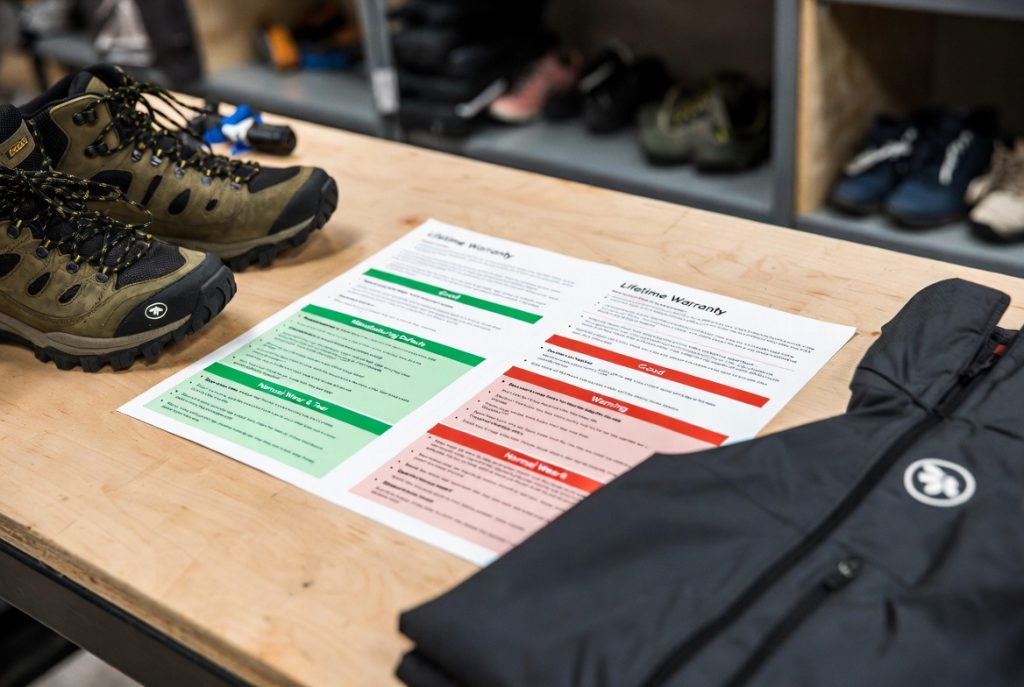
A lifetime warranty covers the product against defects in materials and workmanship for as long as you own it. A limited warranty puts a time boundary on that coverage, typically one to three years, or restricts what is covered to specific components. Both are common. Neither is automatically better or worse, but you need to know which one you have.
The catch with lifetime warranties is the word itself. Some brands define lifetime as the reasonable lifetime of the product, which they determine. That is a meaningful distinction. It gives the brand room to decline a claim on older gear by arguing the product has simply reached the end of its expected life. Read the definition carefully. If the warranty page does not spell out what lifetime means, that is worth noting before you buy.
What Is Actually Covered
Most warranties cover manufacturing defects. Very few cover normal wear and tear, which is where most gear actually fails.
Seams, zippers, buckles, coatings, and hardware are the most common failure points in outdoor gear. They are also the most commonly excluded items under warranty. A zipper that splits after two seasons of heavy use is almost never going to be covered, even under a lifetime warranty, because the brand will classify it as wear rather than a defect.
The line between a defect and wear is not always obvious, and brands draw it differently. A delaminating waterproof coating after one season is a reasonable warranty claim. The same delamination after five years of hard use is a harder case to make. Understanding where that line sits, for the specific brand you are buying from, tells you a lot about the real value of their coverage.
What Voids Coverage
This is the section most people skip entirely, and it is the one most likely to affect them.
Common void triggers include improper care, modifications made outside the brand’s authorized repair process, commercial or rental use, and damage from accidents or misuse. Improper care is the one that catches people most often. Machine washing a down sleeping bag against the care label instructions, using the wrong detergent on a waterproof jacket, or storing gear compressed for an extended period can all void coverage depending on the brand’s terms.
If something fails, photograph it before you do anything else. Document the failure itself, not the fix. That record matters if you end up in a back and forth with a customer service team about whether the damage qualifies as a defect.
The Claims Process
A strong warranty is only useful if the claims process is actually navigable. Some brands have made this genuinely easy. Others have made it difficult enough that most customers give up before they get anywhere.
Before you buy, look at how the brand handles claims. Do they require proof of purchase? Most do. Do they have an online claims portal or do you need to ship the item somewhere and wait? What do they offer: repair, replacement, or store credit? Turnaround times vary widely. A brand that repairs and returns within two weeks is a different proposition from one that holds your gear for two months during peak season.
Recent customer reviews are useful here. Search the brand name alongside words like warranty claim or customer service. People tend to share both ends of the experience, the brands that came through without hassle and the ones that made it painful. That feedback tells you more about real-world warranty value than any policy page will.
How to Evaluate a Warranty Before You Buy
Make the warranty page part of your research before you hand over your money. It should be easy to find. A brand that stands behind its products tends to say so clearly and puts that information where customers can see it. A brand that buries its warranty terms in a PDF linked from the footer of a returns page is telling you something about how it treats claims.
Look for plain language. A warranty that is written to be understood is more likely to be honored in the spirit it was written. One that requires careful parsing to figure out what is actually covered is worth approaching with some skepticism.
Read It Before You Need It
The best time to understand a warranty is before you buy, not after something goes wrong in the field. A piece of gear backed by a strong, clearly written warranty from a brand with a reputation for honoring it is worth paying a little more for. That backing is part of what you are buying. Treat it that way.