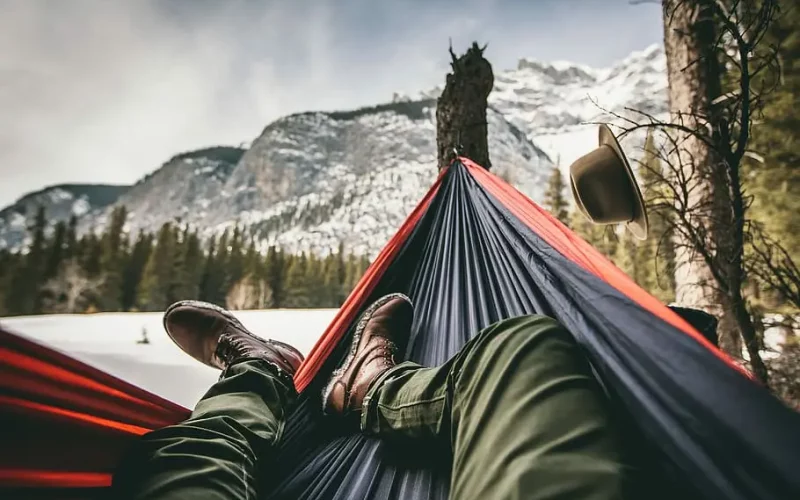
There is something about hammock camping that just makes sense. Two trees, a suspension system, and you are off the ground and settled for the night. No searching for flat ground, no roots digging into your back at two in the morning, no deflated sleeping pad ruining your sleep. Once you make the switch it is hard to go back to a tent for certain kinds of trips.
I have been hammock camping long enough to know that not all hammocks are created equal. The wrong one, whether it is too short, too narrow, poorly suspended, or completely exposed to the weather, makes for a long and uncomfortable night. If you are buying a hammock this season, here is what is actually worth paying attention to before you spend your money.
Table of Contents
Fabric and Weight Capacity
These are the two most important specs on any hammock and the ones most buyers spend the least time on.
Most hammocks are made from either nylon or polyester. Nylon is lighter, packs down smaller, and has a slight stretch to it that most people find comfortable. Polyester is more resistant to UV degradation and holds up better over time in direct sun, but it is heavier and less packable. For most campers who are not leaving the hammock out for extended periods, nylon is the more practical choice.
Weight capacity matters more than people realize. The number on the spec sheet is a maximum, not a comfortable operating range. A hammock rated to 250 pounds that you are loading to 240 is working at its limit every time you get in. Add a stuff sack, a book, and a water bottle and you are pushing beyond that. Look for a hammock with a weight capacity that gives you a genuine margin above your body weight plus anything you are bringing in with you.
Budget hammocks tend to cut corners on both fabric quality and rated capacity. If the price seems too good to be true, check those two specs first.
Length and Width
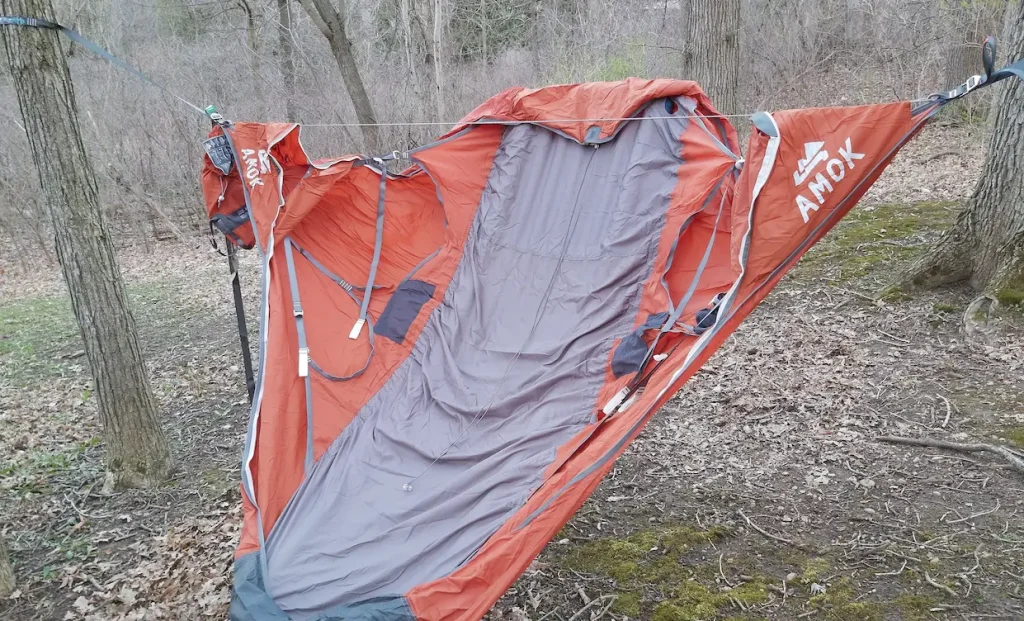
Most entry-level hammocks are too short and too narrow for a genuinely comfortable night of sleep. They are fine for an afternoon in the backyard. They are not fine for eight hours.
The key to sleeping comfortably in a hammock is lying at a slight diagonal angle rather than straight down the centerline. This flattens out the natural banana curve of the hammock and takes pressure off your shoulders and back. To do this effectively you need enough width to shift your body off center without feeling like you are about to roll out.
For most adults, look for a hammock that is at least ten feet long and five feet wide. If you are over six feet tall, go longer. A few extra inches of fabric costs almost nothing in terms of weight or packability and makes a significant difference in how well you sleep.
Suspension System
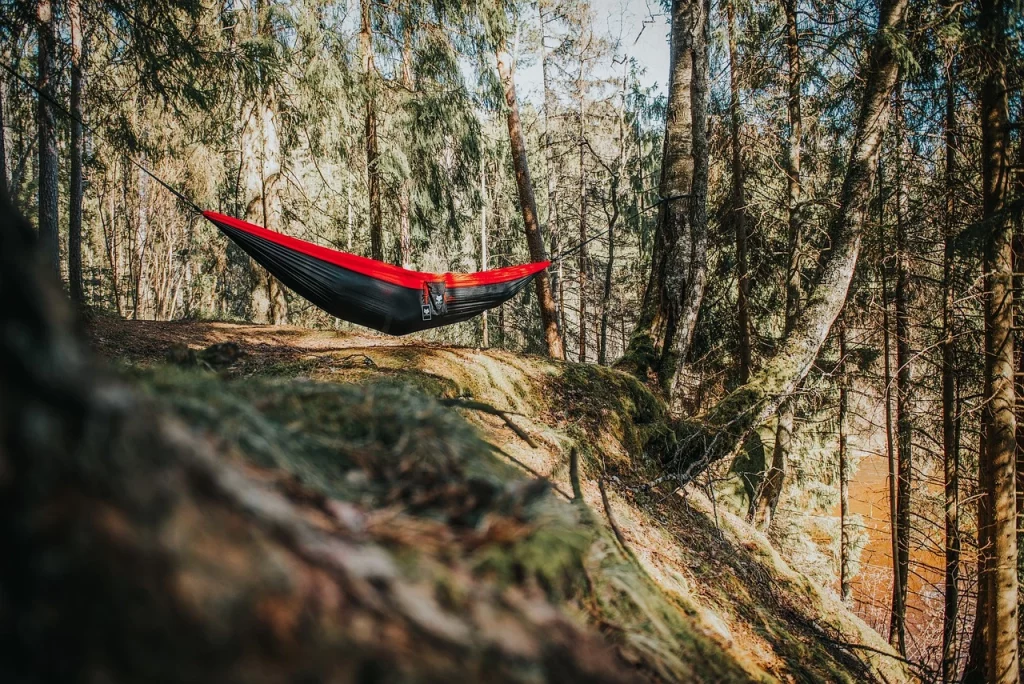
The hammock is only as good as what holds it up, and this is where a lot of budget options create a hidden problem.
Thin cord or rope suspension digs into tree bark and is banned outright in many provincial and national parks in Ontario and across Canada. Wide tree straps, typically an inch or more in width, distribute the load across a larger surface area and do far less damage. If you are camping anywhere with rules around tree protection, and most managed campsites have them, wide straps are not optional.
Look for straps that are at least one inch wide, long enough to wrap around a variety of tree spacings, and come with a simple and reliable adjustment system. Some hammocks include straps in the package. Others sell them separately, which adds to the real cost. Check what is included before you buy.
Weather Protection
A hammock without a plan for rain and wind is a fair weather piece of kit, and Canadian weather does not care about your plans.
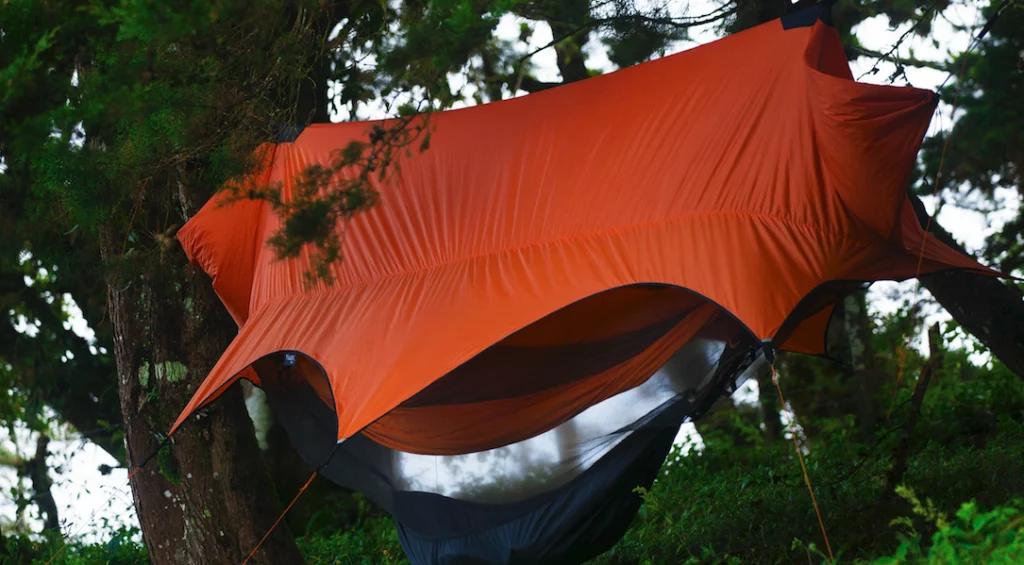
The two things worth thinking about here are bug protection and rain coverage. An integrated bug net is worth paying for if you are camping anywhere near water or in wooded areas during mosquito season, which in Ontario is basically May through September. A separate net that clips on is workable but adds setup time and one more thing to forget at home.
For rain, you need a tarp. Some hammock systems are designed with specific tarp compatibility in mind and include attachment points that make setup fast and secure. If you are buying a standalone hammock, make sure you have a tarp that is wide enough to cover you with some overhang on both sides. I have spent enough damp nights learning where the gaps are to take this seriously now. A tarp that is too narrow or too short leaves you partially exposed the moment any wind picks up.
If you are camping into the shoulder seasons, underquilt attachment points are worth looking for as well. Cold air circulates freely under a hammock and a sleeping bag alone will not keep up once temperatures drop.
What You Actually Need to Spend
Budget hammocks in the thirty to fifty dollar range will get you off the ground and are fine for casual use. They tend to have lower weight capacities, thinner fabric, and often do not include straps.
The mid-range sweet spot sits between eighty and one hundred and fifty dollars. This is where fabric quality, dimensions, and included suspension systems start to make a real difference. Most dedicated hammock campers end up here.
Premium options above two hundred dollars are adding ultralight materials, refined suspension systems, and integrated weather protection. They are worth it if you are hammock camping frequently and covering serious distances on foot. For most people, mid-range is enough.
Final Thoughts
When the gear is dialled, hammock camping is one of the most comfortable ways to sleep outdoors. The goal is not the most expensive hammock on the market. It is the right one for how you camp, where you go, and what conditions you are likely to face.